London workplaces have different cleaning requirements depending on their size, occupancy and daily activities. A busy office, shared workspace or commercial building may need more frequent attention in certain areas, while other tasks can be scheduled weekly or periodically. Choosing commercial cleaning services that adapt to these changes helps businesses maintain consistent standards without paying for unnecessary work.
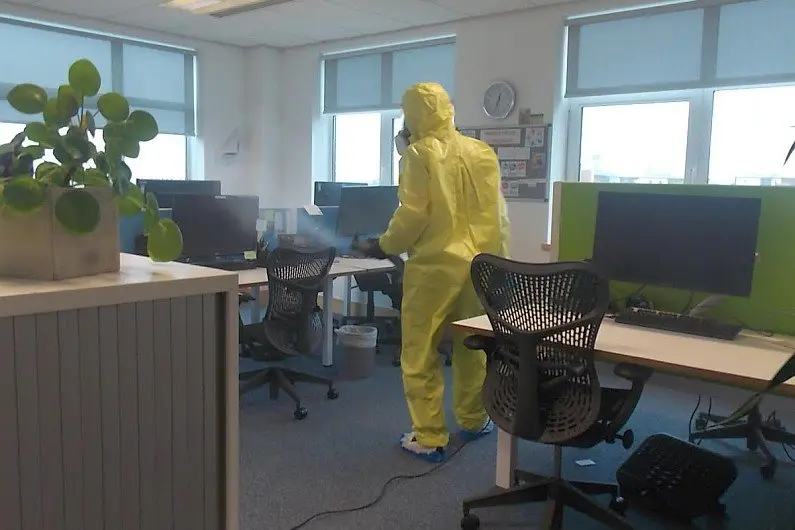
Build the cleaning programme around your site
A site visit is the best starting point for creating a suitable cleaning plan. Identify the areas that need regular attention, including entrances, washrooms, kitchens, meeting rooms, stairs, lifts, storage spaces and frequently touched surfaces.
Consider how many people use the premises, when employees and visitors arrive and which areas experience the most footfall. The programme can then combine routine cleaning with periodic services such as carpet extraction, window cleaning and deep cleaning.
This approach makes it easier to allocate time and resources where they are needed most.
What to look for in a commercial cleaning company
Before choosing a provider, ask about staff training, COSHH procedures, supervision, absence cover and quality inspections. A reliable company should be able to explain how its team works, how standards are checked and who you can contact if something needs attention.
Access arrangements and communication should also be agreed before the service begins. Make sure the cleaning team understands security procedures, working hours and any areas that require special care. A clear written specification helps prevent misunderstandings about responsibilities and expected results.
The HSE COSHH guidance explains how businesses can manage risks associated with cleaning chemicals. You can also consult GOV.UK workplace safety information and the British Cleaning Council for further guidance.
Make cleaning schedules fit business operations
Cleaning should take place at times that suit the building. Some tasks are easier to complete before employees arrive or after closing, while daytime cleaning may be necessary in busy washrooms, kitchens and shared areas.
Consider staff arrival times, deliveries, meetings and security requirements when setting the schedule. One named contact and a straightforward reporting process also help the cleaning team respond to spills, access problems and unexpected requests.
Review the arrangement whenever occupancy, layouts or operating hours change. Regular inspections can identify missed tasks, supply shortages and areas that need additional attention.
Balance regular cleaning with periodic maintenance
Daily or weekly cleaning maintains the appearance of a workplace, but some tasks need a separate schedule. Carpet extraction, internal glass cleaning, high-level dusting, hard-floor treatment and detailed washroom cleaning should be planned in advance.
A maintenance calendar makes these tasks easier to budget for and prevents them from being delayed until the building starts to look neglected.
When comparing quotations, look beyond the hourly rate. Consider the cleaning scope, supervision, training, equipment, absence cover and quality checks included in the proposal.
Commercial cleaning services from Benchmark Cleaning
Benchmark Cleaning offers flexible commercial cleaning programmes across London, with a free site visit and no-obligation quotation. Its office cleaning services can be arranged around workplace requirements, while commercial carpet cleaning and commercial window cleaning can be included as periodic services.
A site assessment helps establish which tasks are needed, how frequently they should be completed and when the work can take place with minimal disruption.
Final thoughts on flexible commercial cleaning
The right commercial cleaning programme should reflect how a building is actually used. Clear responsibilities, suitable timings, regular inspections and planned maintenance help businesses maintain a presentable environment as their needs change.
Review the cleaning specification periodically and adjust it when footfall, staffing or building requirements shift. This keeps the service practical, consistent and aligned with the workplace.