After Builders Cleaning
Car Dealership Cleaning
Church Cleaning
Commercial Carpet Cleaning
Deep Cleaning
Doff Brick and Masonry Cleaning
Facility Management Services
Factory Cleaning
Graffiti & Chewing Gum Removal
Gym Cleaning
Hospital Cleaning
Hotel Cleaning
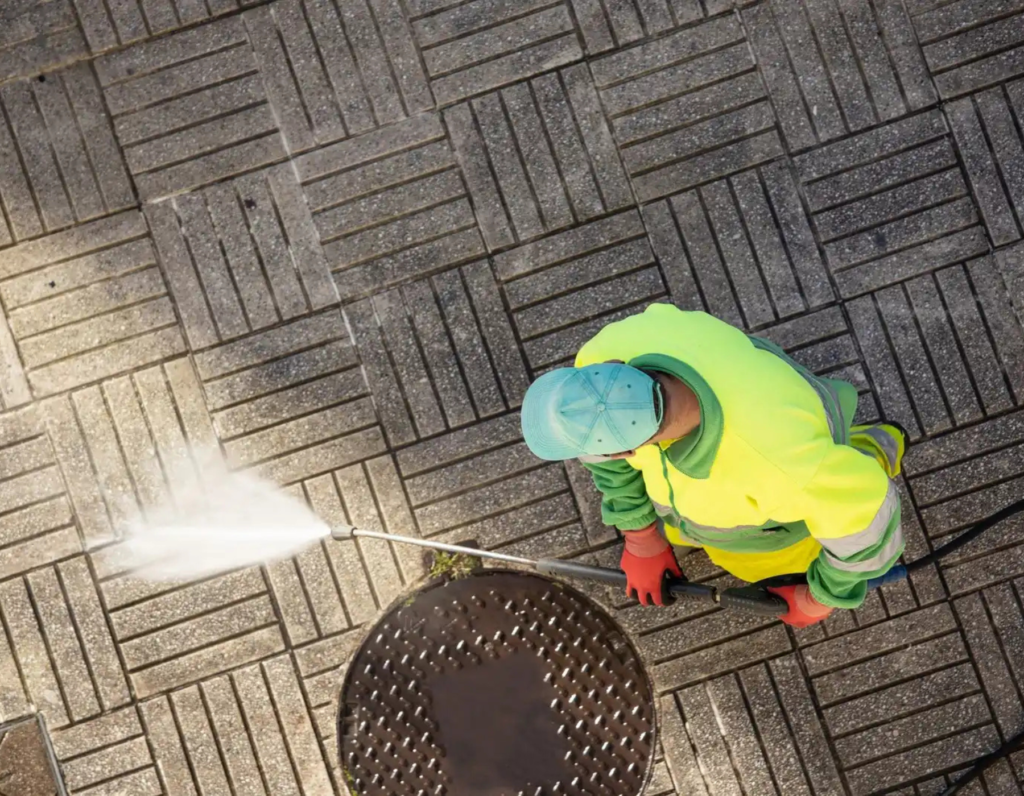
Jet Washing
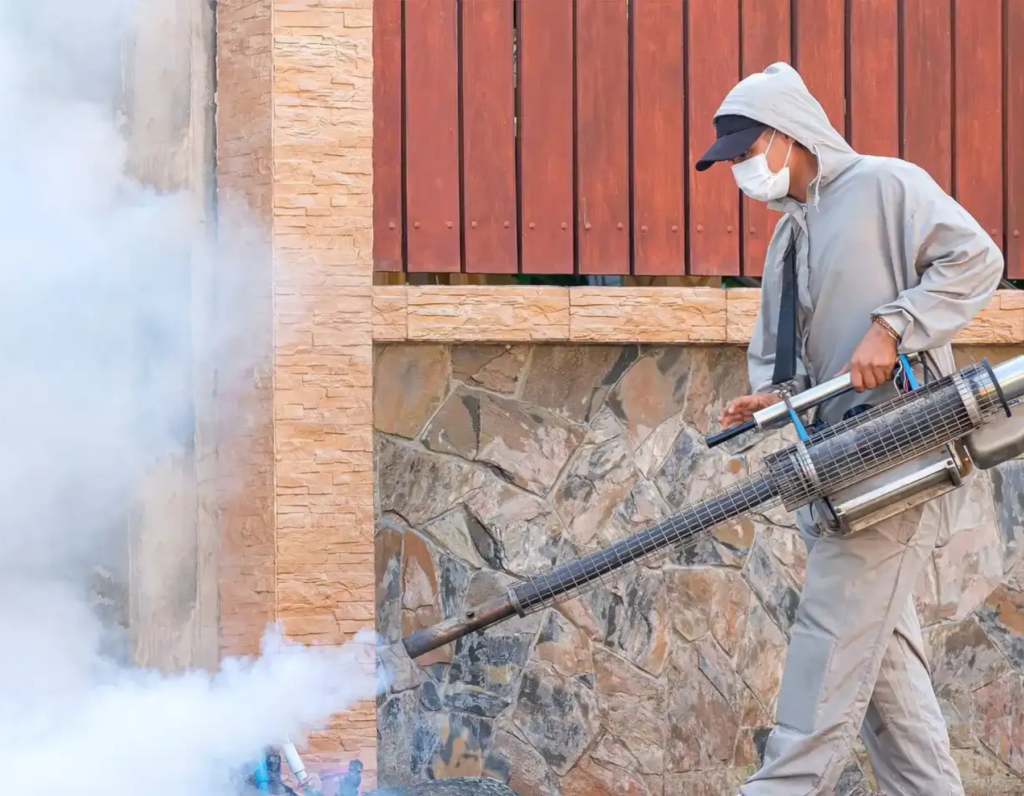
Pest Control
Restaurant & Bar Cleaning
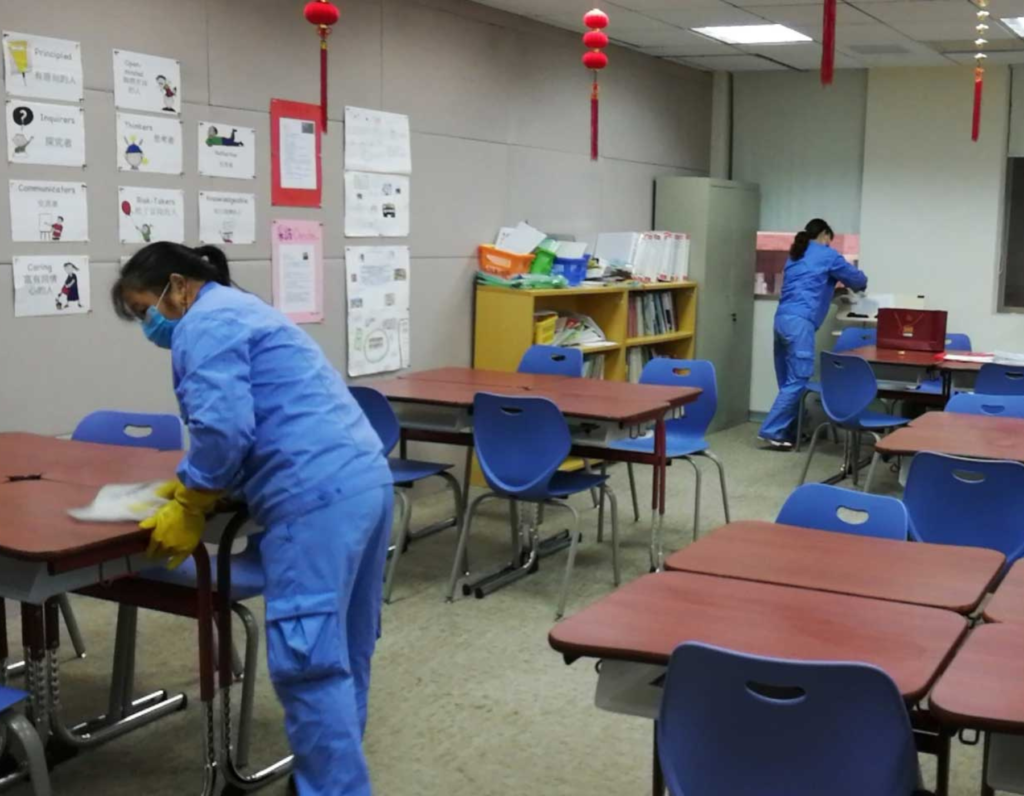
School Cleaning
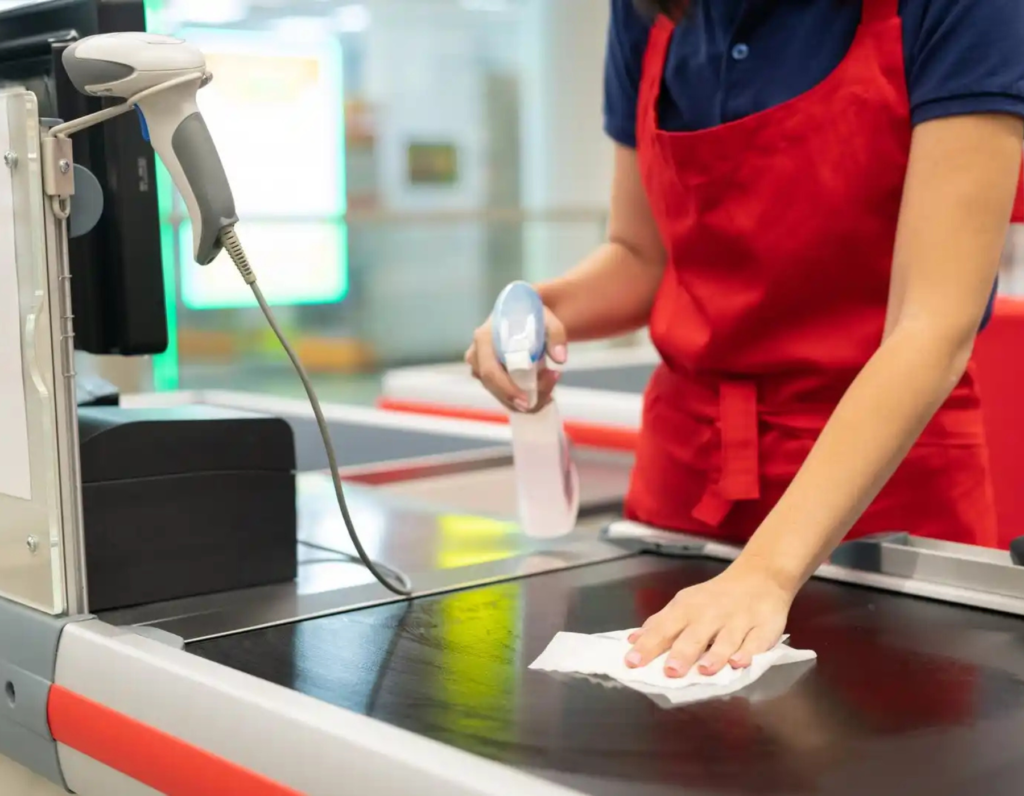
Shop & Retail Cleaning
Warehouse Cleaning
Waste Management
Window Cleaning
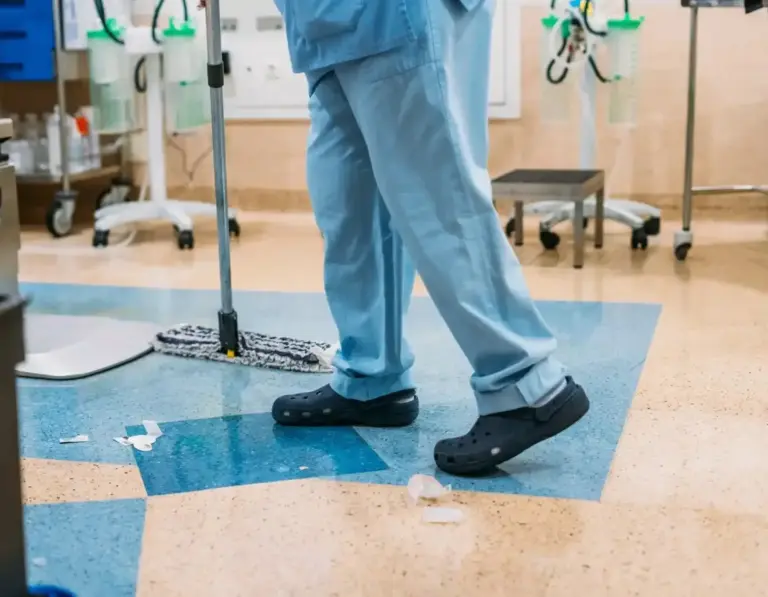
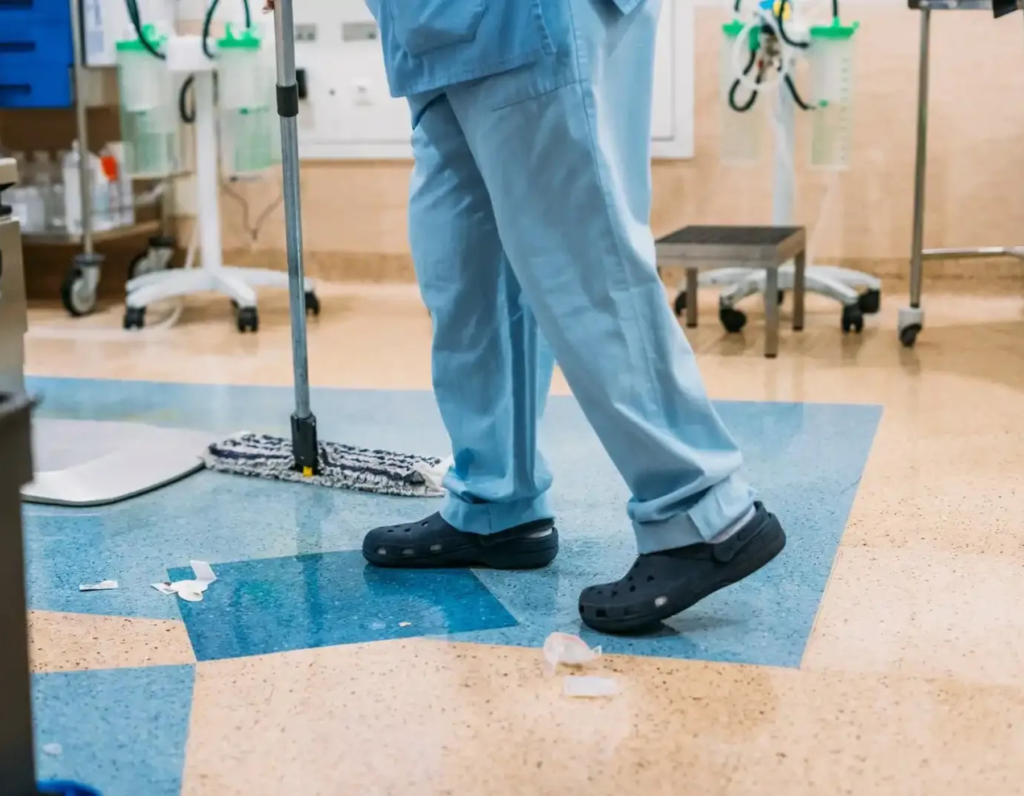
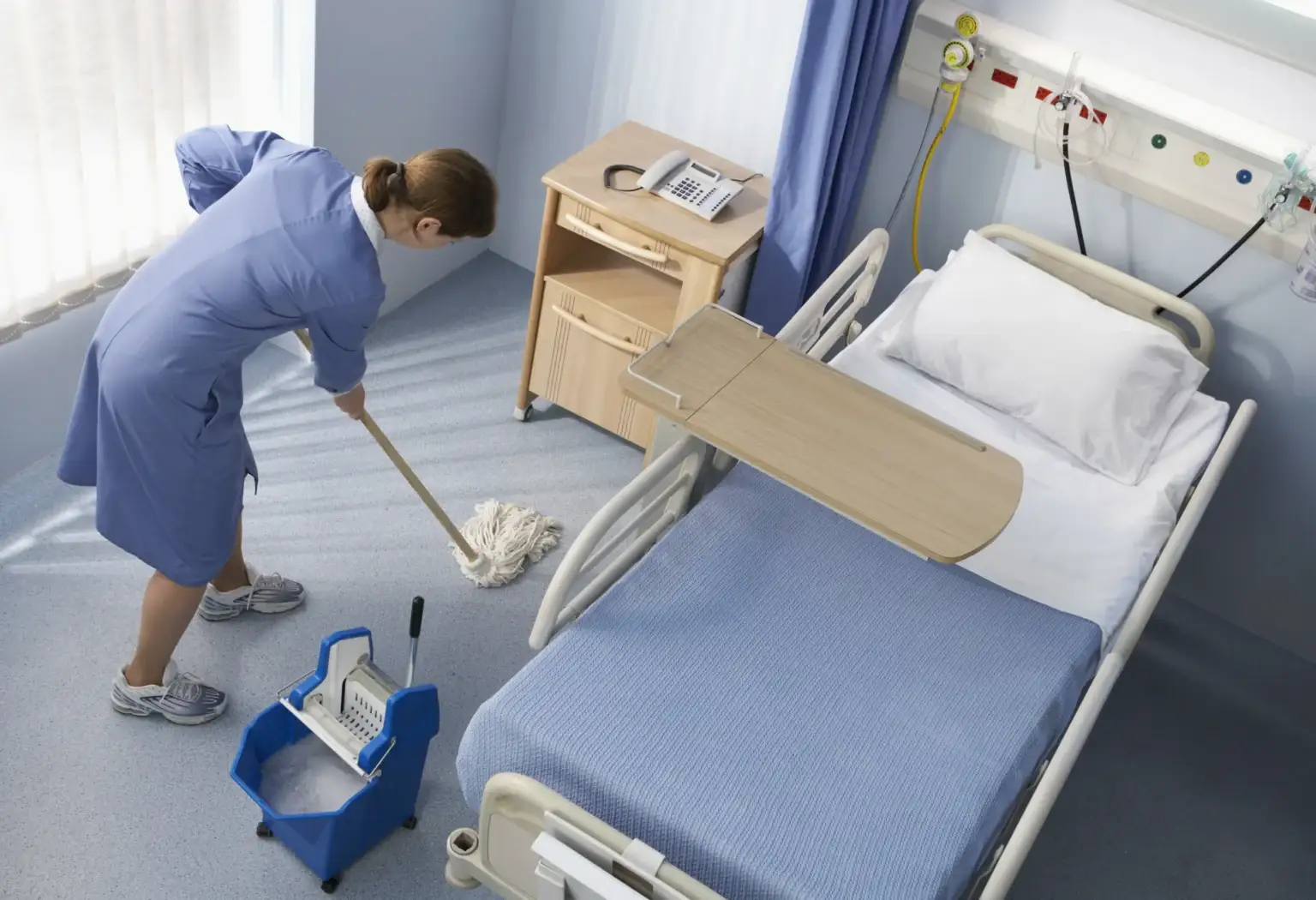
We take cleaning and infection control seriously at our hospital cleaning service.
We follow the highest standards and regulations set by the NHS. Our goal is to ensure that we provide effective infection control and maintain a safe environment for staff and patients. We use specific solutions and detergents that meet industry cleaning standards.
We have invested in advanced cleaning technologies and cleaning equipment to support our cleaning efforts. Our deep cleaning system combines regular cleaning and decontamination to prevent infections and eliminate risks. We understand the importance of material flow and waste management in a hospital. We have implemented a comprehensive waste management system to handle all waste properly.
Healthcare environments demand exceptional hygiene standards and fully trained cleaning professionals. Alongside Surgery and Hospital Cleaning, we provide Cleaners with DBS for sensitive facilities, School Cleaning London services for educational institutions, and specialist commercial cleaning service solutions designed to meet strict compliance requirements.
We’re the leading commercial business cleaning in London. Contact our team today and get a free quotation on your cleaning needs.
Choose Site facility cleaning solutions designed with vetted cleaners and strict quality checks.
Our cleaning company ensures that electronic equipment, such as computer keyboards, monitors, and medical devices, is regularly sanitised.
This helps in preventing hospital-acquired infections and maintaining a clean and safe environment for patients, visitors, and staff.
Our cleaning routines include specific protocols for sanitising electronic equipment to eliminate germs and minimise the spread of infections.
Yes, our cleaning methods are designed to effectively kill the HPV virus.
We utilizes cleaning solutions and disinfectants that are proven to be effective against a wide range of viruses and bacteria, including HPV.
Our cleaning staff follows specific procedures to ensure thorough disinfection and to reduce the risk of transmission.
By using appropriate cleaning techniques and products, we aim to create a hygienic environment and minimize the potential spread of the HPV virus.
A hospital clean refers to the level of cleanliness maintained in a healthcare facility to reduce the risk of hospital-acquired infections.
It means that the facility is thoroughly cleaned and disinfected to meet specific cleaning standards and regulations set by the healthcare industry.
It involves regular cleaning of surfaces, equipment, and patient rooms to eliminate germs and maintain a safe environment for patients, visitors, and staff.
Hospital cleanliness also includes proper waste management and adherence to cleaning routines that target high-touch areas and areas prone to contamination.
Cleaning plays a crucial role in maintaining a safe and healthy hospital environment by reducing the risk of infections.
Regular cleaning routines help eliminate germs and bacteria from surfaces, reducing the chances of hospital-acquired infections.
A clean hospital environment promotes better health outcomes for patients and creates a welcoming space for visitors.
Cleaning also contributes to the overall well-being of the staff, ensuring a hygienic workplace that supports their productivity and reduces the spread of illnesses.
By prioritising cleanliness, hospitals can create a positive and safe environment that instills trust and confidence in patients, visitors, and staff.
Within a healthcare facility, three levels of cleaning are important for maintaining a safe and hygienic environment. These levels are known as routine cleaning, terminal cleaning, and disinfection.
Routine Cleaning: Routine cleaning is the regular cleaning that takes place daily in healthcare facilities. It involves the removal of dirt, dust, and debris from surfaces using cleaning agents such as soap and water. This level of cleaning helps to keep the facility clean and tidy, preventing the buildup of dirt and germs. Routine cleaning includes tasks like sweeping and mopping floors, wiping down surfaces, and emptying trash bins.
Terminal Cleaning: Terminal cleaning is a more thorough cleaning process that is performed in areas where patients with infectious diseases have been treated or in areas that require a higher level of cleanliness. It is usually done after a patient has been discharged or transferred. Terminal cleaning involves a meticulous cleaning of all surfaces, including floors, walls, furniture, and equipment. It may also involve the use of specialised cleaning agents or disinfectants to eliminate any remaining pathogens and reduce the risk of spreading infections.
Disinfection: Disinfection is the highest level of cleaning within a healthcare facility. It involves the use of chemical agents to kill or inactivate microorganisms on surfaces. Disinfection is particularly important in areas where there is a high risk of infection transmission, such as operating rooms, patient rooms, and certain medical equipment. Different disinfectants are used depending on the type of microorganisms present and the level of disinfection required.