
Coworking spaces change throughout the day. Desks are shared, meeting rooms turn over quickly, visitors arrive without warning and kitchen use rises and falls with occupancy. A reliable coworking space cleaning plan must combine routine cleaning with responsive resets. It should keep the building professional for members and guests without making the working environment feel interrupted by constant activity.
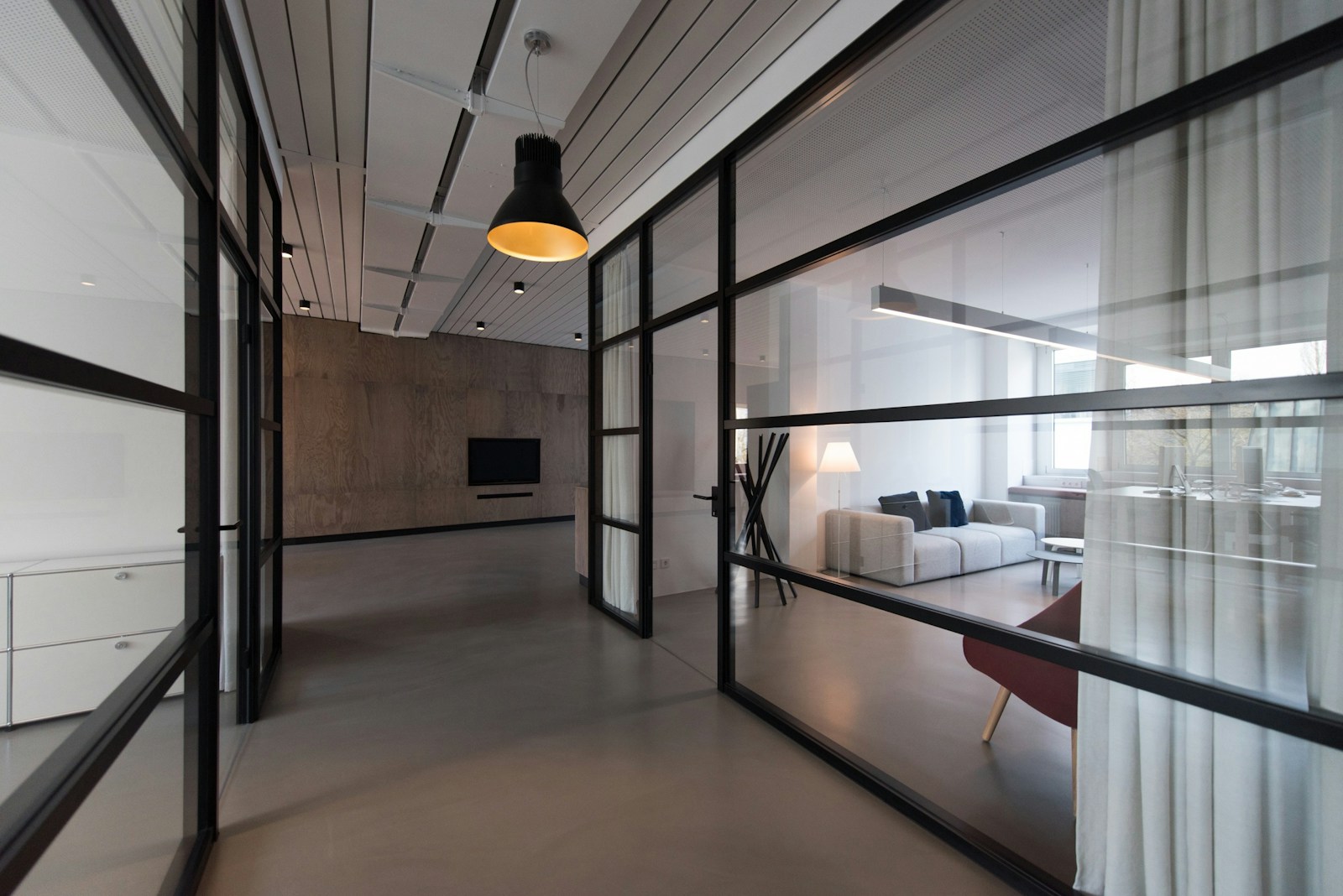
Why shared workspaces need flexible cleaning
Start with a map of the member journey. Include the entrance, reception, shared desks, phone booths, meeting rooms, lounges, kitchens, washrooms, stairs, lifts and waste points. Note which areas are bookable and which are open to everyone. Track the busiest periods rather than assuming every desk is used equally. A site with events, workshops or evening members may need a different pattern from a small daytime workspace.
Map the areas by use and turnover
Shared desks need a clear reset standard. Remove waste, wipe the work surface and high-touch points, spot-clean the floor and report damage. Do not move personal property without an agreed policy. Meeting rooms and phone booths may need checks after each booking or at fixed intervals. Kitchens need daily cleaning plus a simple member rule for labelling food and reporting spills. Washrooms and entrance routes should be inspected at the times when footfall is highest.
Practical coworking space cleaning checklist
- Define the clean-desk reset and personal-item policy.
- Add checks after events and busy meeting periods.
- Clean shared screens and equipment only by agreement.
- Schedule kitchens, washrooms and entrances around occupancy.
- Provide clear spill and maintenance reporting routes.
- Review the plan when membership or opening hours change.
Make kitchens and meeting rooms easy to reset
Communication is part of the cleaning service. A short member guide can explain what the team cleans, what users should clear themselves and where to report a problem. This reduces awkward assumptions and helps protect cleaners from being asked to move confidential papers or personal equipment. Display standards in kitchens and meeting rooms, then reinforce them through reception or community managers.
Communicate standards to members
Safety needs to stay visible in a fast-changing space. Use suitable products, avoid obstructing routes and record any risk created by cables, damaged furniture or spills. The HSE workplace guidance and British Cleaning Council are useful starting points, while the UK Government business guidance provides wider information for operators.
How Benchmark Cleaning can help with coworking space cleaning
Benchmark Cleaning Services works with London offices and shared commercial premises, adapting schedules to occupancy and working hours. Its office cleaning service can be discussed alongside commercial carpet cleaning and periodic deep cleans. Share booking data and event patterns during the site survey so the plan reflects the space as it is actually used.
Related guidance for coworking space cleaning
cleaning for changing office occupancy | high-traffic cleaning practices | commercial deep cleaning
Questions about coworking space cleaning
Should shared desks be cleaned after every user?
That depends on turnover and the service model. A defined reset at regular intervals is better than promising an impractical clean after every movement.
Who cleans personal dishes in a coworking kitchen?
Set the policy clearly. The cleaning team can maintain surfaces and shared areas, while members should handle personal items unless a separate service is agreed.
How can a coworking operator measure cleaning quality?
Use inspection scores, member feedback, response times and recurring issue reports rather than relying on occasional comments.
Final thoughts on coworking space cleaning
Coworking space cleaning works when it follows the way members use the building. Map turnover, focus on shared touchpoints and create simple rules for kitchens, desks and meeting rooms. Flexible checks then protect both presentation and member experience.
Putting coworking space cleaning into practice
Start with a site visit rather than a generic promise. Walk through the areas that people use, identify the surfaces and risks, and agree the times when work can happen without disrupting the business. A written scope should state what is included, what is periodic and what needs a separate specialist. It should also name the person who can approve access, report an issue and confirm that a corrective action is complete. This preparation gives the cleaning team a fair brief and gives the client a useful basis for checking the service. The HSE workplace guidance is a helpful reference when access, public movement or safe systems of work are involved.
What to agree before the first visit
Confirm opening hours, keys, alarms, lifts, water, power, storage, waste routes and the location of any sensitive equipment. Explain how staff, visitors, pupils, patients or customers move through the site, because the busiest route often needs a different frequency from a quiet room. Agree how spills, damage, low supplies and urgent requests are reported. A short induction is worthwhile: it helps cleaners understand the building and prevents the client from assuming that a task outside the scope will be handled automatically. If the plan changes, record the change and review its effect on time, equipment and staffing.
How to review the result
Review the first visits while the details are still fresh. Look at the agreed areas, the finished surfaces, the condition of equipment and the way the team communicates. If a task is missed, ask why before simply adding more hours. The cause may be restricted access, a change in occupancy, unsuitable equipment, an unclear instruction or a need for periodic work. Use a short inspection record with a location, date, standard, action owner and due date. Regular evidence-led reviews are more useful than waiting for a general complaint at the end of a contract.
A final check for site managers
Before signing off the plan, ask whether a new member of staff could understand it without a long verbal explanation. The tasks should be visible, the products and equipment should be safe, and the route for reporting a defect should be clear. Check that the schedule protects privacy, keeps routes open and leaves enough time for the expected result. When the building changes, update the scope rather than allowing small exceptions to become permanent gaps. Consistent service comes from clear expectations, competent people and inspections that lead to practical action.