
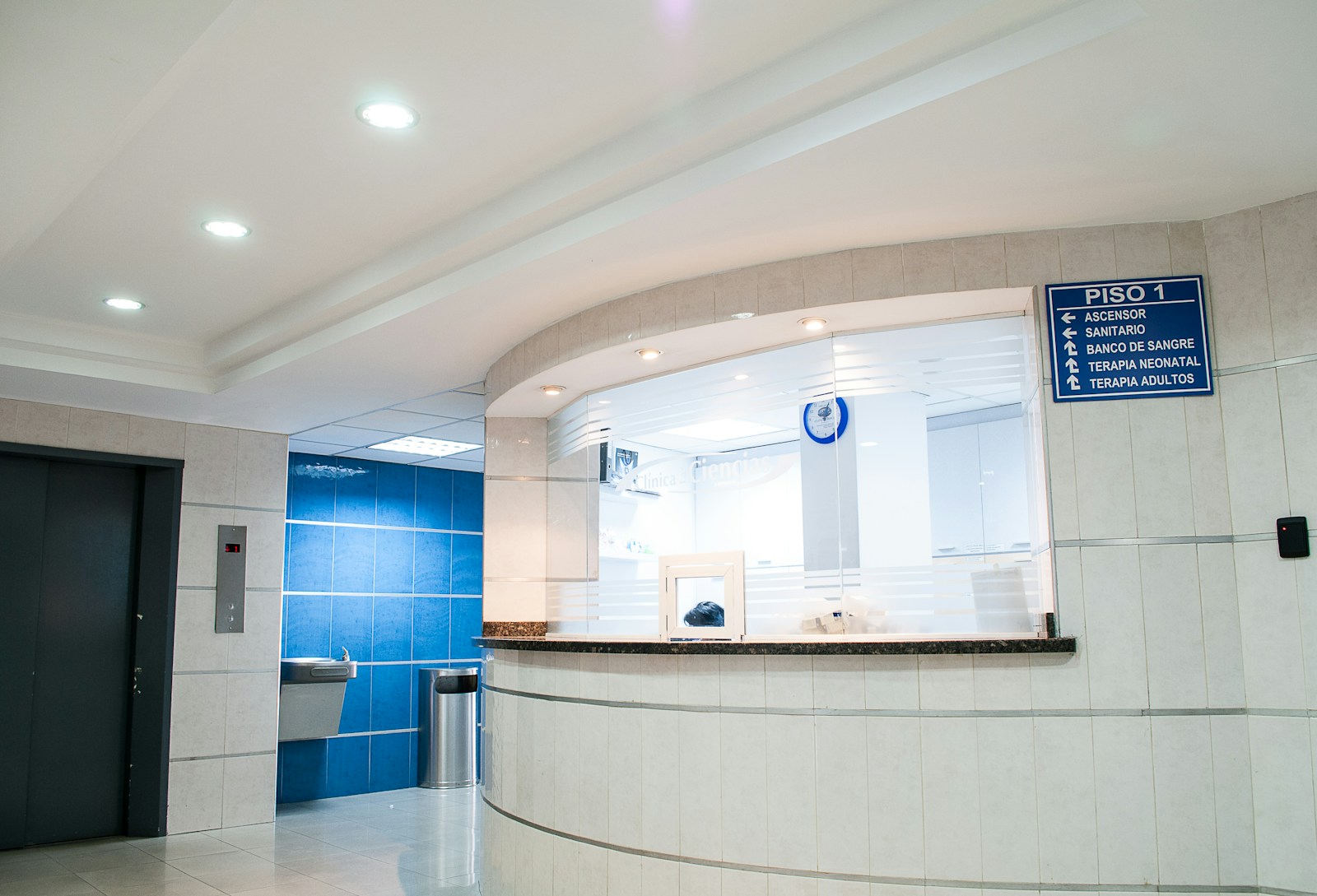
A medical waiting room is used by people with different needs, levels of mobility and reasons for attending. Chairs, door handles, reception desks, call screens and payment points can receive repeated contact, while spills or visibly soiled areas need a prompt response. Medical waiting room cleaning should support the practice’s infection-prevention policy, patient flow and safe communication between reception and the cleaning team.
Why waiting rooms need a clear routine
Start with a room-by-room survey. Include the entrance, reception desk, seating, children’s areas, accessible spaces, toilets, water points, magazines, screens, door plates, handrails and the route to consulting rooms. Note which areas are used by patients who may need privacy or additional support. Agree where cleaning equipment can be stored and how staff can work without blocking access or exposing confidential information.
Map patient flow and high-touch points
Routine work should cover visible soil, floors, high-touch surfaces, bins and safe replenishment. Clean chairs and tables according to their material, wipe handles and touchpoints, keep reception surfaces orderly and remove waste through the practice’s procedure. A spill or body-fluid incident needs the practice’s specific response, trained staff and appropriate equipment; it should not be improvised with a general-purpose cloth.
Practical medical waiting room cleaning checklist
- Check reception, seating, doors and high-touch surfaces.
- Clean floors and deal with visible spills promptly.
- Follow the practice policy for body-fluid incidents.
- Keep clinical and cleaning supplies stored securely.
- Protect privacy around patient information and rooms.
- Record defects, low supplies and recurring touchpoints.
Respond to spills and changing demand
Frequency should follow appointments, walk-in demand and the layout. A small practice may need an opening and closing clean plus checks around busy sessions. A larger clinic may need a daytime presence or rapid response arrangement. Agree how reception staff raise a request and how the cleaner confirms it is complete. The practice should own clinical policy, while the cleaning contractor should work to the agreed safe method.
Keep cleaning and clinical policy aligned
Use authoritative guidance alongside the practice’s own policy. The NHS cleaning guidance and CQC healthcare guidance provide useful context, while the HSE COSHH guidance supports safe product management.
How Benchmark Cleaning can help with medical waiting room cleaning
Benchmark Cleaning Services provides surgery and hospital cleaning for London healthcare premises, with DBS-checked teams and structured hygiene procedures. Share patient flow, opening hours, clinical restrictions and incident arrangements during the site survey so the cleaning plan supports the practice rather than interrupting it.
Related guidance for medical waiting room cleaning
cleaning and disinfection in healthcare | CQC-focused cleaning considerations | surgery and hospital cleaning
Questions about medical waiting room cleaning
How often should a medical waiting room be cleaned?
Use an opening and closing clean as a baseline, with extra checks and rapid response based on patient flow and risk.
Can ordinary office cleaners work in a medical practice?
They need the right training, site induction, equipment and supervision for the practice’s cleaning and infection-control requirements.
Who manages a body-fluid spill?
Follow the practice’s written incident policy and ensure only trained staff with suitable equipment respond.
Final thoughts on medical waiting room cleaning
Medical waiting room cleaning needs a routine that is visible, discreet and aligned with clinical policy. Map patient flow, focus on touchpoints, plan rapid response and document issues so the practice can protect patients and staff.
Putting medical waiting room cleaning into practice
Start with a site visit rather than a generic promise. Walk through the areas that people use, identify the surfaces and risks, and agree the times when work can happen without disrupting the business. A written scope should state what is included, what is periodic and what needs a separate specialist. It should also name the person who can approve access, report an issue and confirm that a corrective action is complete. This preparation gives the cleaning team a fair brief and gives the client a useful basis for checking the service. The HSE workplace guidance is a helpful reference when access, public movement or safe systems of work are involved.
What to agree before the first visit
Confirm opening hours, keys, alarms, lifts, water, power, storage, waste routes and the location of any sensitive equipment. Explain how staff, visitors, pupils, patients or customers move through the site, because the busiest route often needs a different frequency from a quiet room. Agree how spills, damage, low supplies and urgent requests are reported. A short induction is worthwhile: it helps cleaners understand the building and prevents the client from assuming that a task outside the scope will be handled automatically. If the plan changes, record the change and review its effect on time, equipment and staffing.
How to review the result
Review the first visits while the details are still fresh. Look at the agreed areas, the finished surfaces, the condition of equipment and the way the team communicates. If a task is missed, ask why before simply adding more hours. The cause may be restricted access, a change in occupancy, unsuitable equipment, an unclear instruction or a need for periodic work. Use a short inspection record with a location, date, standard, action owner and due date. Regular evidence-led reviews are more useful than waiting for a general complaint at the end of a contract.
A final check for site managers
Before signing off the plan, ask whether a new member of staff could understand it without a long verbal explanation. The tasks should be visible, the products and equipment should be safe, and the route for reporting a defect should be clear. Check that the schedule protects privacy, keeps routes open and leaves enough time for the expected result. When the building changes, update the scope rather than allowing small exceptions to become permanent gaps. Consistent service comes from clear expectations, competent people and inspections that lead to practical action.
Keep the cleaning plan current
Good cleaning plans change when the building changes. Review the arrangement after a refurbishment, new tenant, seasonal shift, event, illness concern or change in opening hours. Ask whether the original frequency still matches footfall and whether a periodic task has become overdue. Keep communication simple and give the cleaning supervisor enough information to make a safe decision on site. A short monthly review can confirm what is working, capture any recurring issue and prevent the document from becoming an old promise that no longer matches the workplace.