
Washrooms are one of the first places employees and visitors judge when they enter a workplace. A reliable office washroom cleaning schedule should do more than list toilets and sinks. It should set out cleaning methods, replenishment, touchpoints, odour control, floor care, waste handling and the checks needed during the day. The right frequency depends on occupancy, opening hours and the number of facilities, so a site survey is more useful than a one-size-fits-all promise.
What a washroom plan should cover
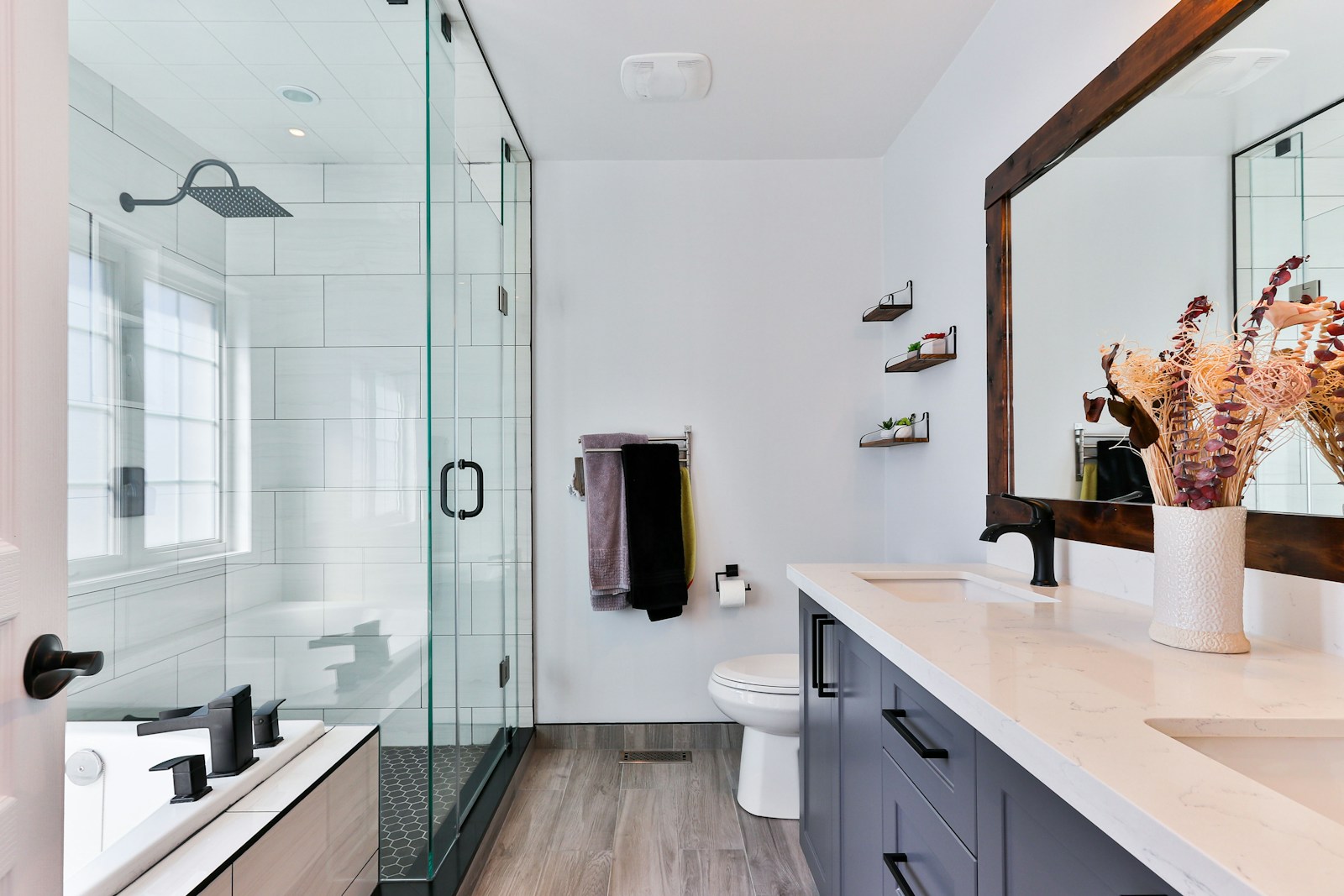
Record every part of the washroom, including cubicles, basins, taps, mirrors, dispensers, hand dryers, door plates, baby-change areas, floors, vents and accessible facilities. Note surfaces that need different products and any fixtures that are damaged or difficult to clean. Include the route for removing waste and the storage point for supplies. A manager should know who replenishes soap, toilet tissue, hand towels and sanitary products, and how low stock is reported.
Set daily tasks and daytime checks
The daily clean should remove visible soil and address high-contact points. Clean and disinfect toilets, basins, taps, handles and flush controls. Polish mirrors where appropriate, clean floors with a method suited to the surface, empty bins and check for odours or leaks. On a busy site, add daytime inspections for spills, empty dispensers and general presentation. The aim is not to make a cleaner stand in the room continuously; it is to make the service reflect actual demand.
Practical office washroom cleaning schedule checklist
- Clean toilets, cubicles, basins and splash areas.
- Disinfect taps, handles, locks and flush controls.
- Replenish soap, tissue, towels and agreed supplies.
- Empty bins safely and clean the surrounding floor.
- Check mirrors, floors, odours, leaks and visible defects.
- Record issues that need maintenance rather than cleaning.
Consumables and touchpoints
Weekly or periodic work can cover wall tiles, partitions, vents, skirting, pipework, high ledges and hard-to-reach corners. Schedule deep cleaning when it causes the least disruption. Do not use a stronger product simply because a surface looks difficult; follow product instructions and the relevant HSE COSHH guidance. Where a washroom supports a healthcare or education setting, match the plan to the site’s own infection-control and safeguarding arrangements.
Inspect the result from a user perspective
Quality checks should be based on what a user sees and touches. Look for clean cubicles, dry floors, stocked dispensers, clear mirrors and an absence of avoidable odour. A short inspection form helps identify patterns, such as a dispenser that is too small for the occupancy or a bin that needs a different collection time. The British Cleaning Council and UK health and safety information provide useful professional context.
How Benchmark Cleaning can help with office washroom cleaning schedule
Benchmark Cleaning Services has served London workplaces since 2003 and includes washrooms in tailored office and commercial cleaning programmes. When requesting office cleaning in London, explain the occupancy, operating hours and the number of washrooms. That information lets the team suggest a realistic frequency rather than an attractive but under-resourced schedule.
Related guidance for office washroom cleaning schedule
practical ways to reduce workplace germ spread | cleaning high-traffic areas effectively | periodic commercial deep cleaning
Questions about office washroom cleaning schedule
How often should an office washroom be checked?
A daily clean is a baseline, but busy workplaces may need daytime checks for supplies, spills and presentation.
Who should report a leak or broken dispenser?
The cleaning team should record it, but the building manager or nominated maintenance contact should own the repair.
Are washroom cleaning chemicals interchangeable?
No. Use products according to the label, surface compatibility and the site risk assessment. Never mix chemicals.
Final thoughts on office washroom cleaning schedule
A clear office washroom cleaning schedule keeps hygiene, presentation and replenishment together. When frequency reflects occupancy and inspections record real defects, the washroom becomes a managed part of workplace operations rather than a recurring source of complaints.
Putting office washroom cleaning schedule into practice
Start with a site visit rather than a generic promise. Walk through the areas that people use, identify the surfaces and risks, and agree the times when work can happen without disrupting the business. A written scope should state what is included, what is periodic and what needs a separate specialist. It should also name the person who can approve access, report an issue and confirm that a corrective action is complete. This preparation gives the cleaning team a fair brief and gives the client a useful basis for checking the service. The HSE workplace guidance is a helpful reference when access, public movement or safe systems of work are involved.
What to agree before the first visit
Confirm opening hours, keys, alarms, lifts, water, power, storage, waste routes and the location of any sensitive equipment. Explain how staff, visitors, pupils, patients or customers move through the site, because the busiest route often needs a different frequency from a quiet room. Agree how spills, damage, low supplies and urgent requests are reported. A short induction is worthwhile: it helps cleaners understand the building and prevents the client from assuming that a task outside the scope will be handled automatically. If the plan changes, record the change and review its effect on time, equipment and staffing.
How to review the result
Review the first visits while the details are still fresh. Look at the agreed areas, the finished surfaces, the condition of equipment and the way the team communicates. If a task is missed, ask why before simply adding more hours. The cause may be restricted access, a change in occupancy, unsuitable equipment, an unclear instruction or a need for periodic work. Use a short inspection record with a location, date, standard, action owner and due date. Regular evidence-led reviews are more useful than waiting for a general complaint at the end of a contract.
A final check for site managers
Before signing off the plan, ask whether a new member of staff could understand it without a long verbal explanation. The tasks should be visible, the products and equipment should be safe, and the route for reporting a defect should be clear. Check that the schedule protects privacy, keeps routes open and leaves enough time for the expected result. When the building changes, update the scope rather than allowing small exceptions to become permanent gaps. Consistent service comes from clear expectations, competent people and inspections that lead to practical action.