A reception or lobby is often the first area visitors see when entering a commercial building. Dusty surfaces, marked glass, dirty entrance mats or overflowing bins can affect how people view the business before they have even reached the main office. A dedicated reception and lobby cleaning plan helps maintain a professional appearance while keeping shared spaces safe and welcoming.
Unlike standard office areas, entrances experience changing levels of footfall, deliveries and weather-related dirt. Cleaning schedules should reflect these conditions rather than relying on the same routine used throughout the rest of the building.
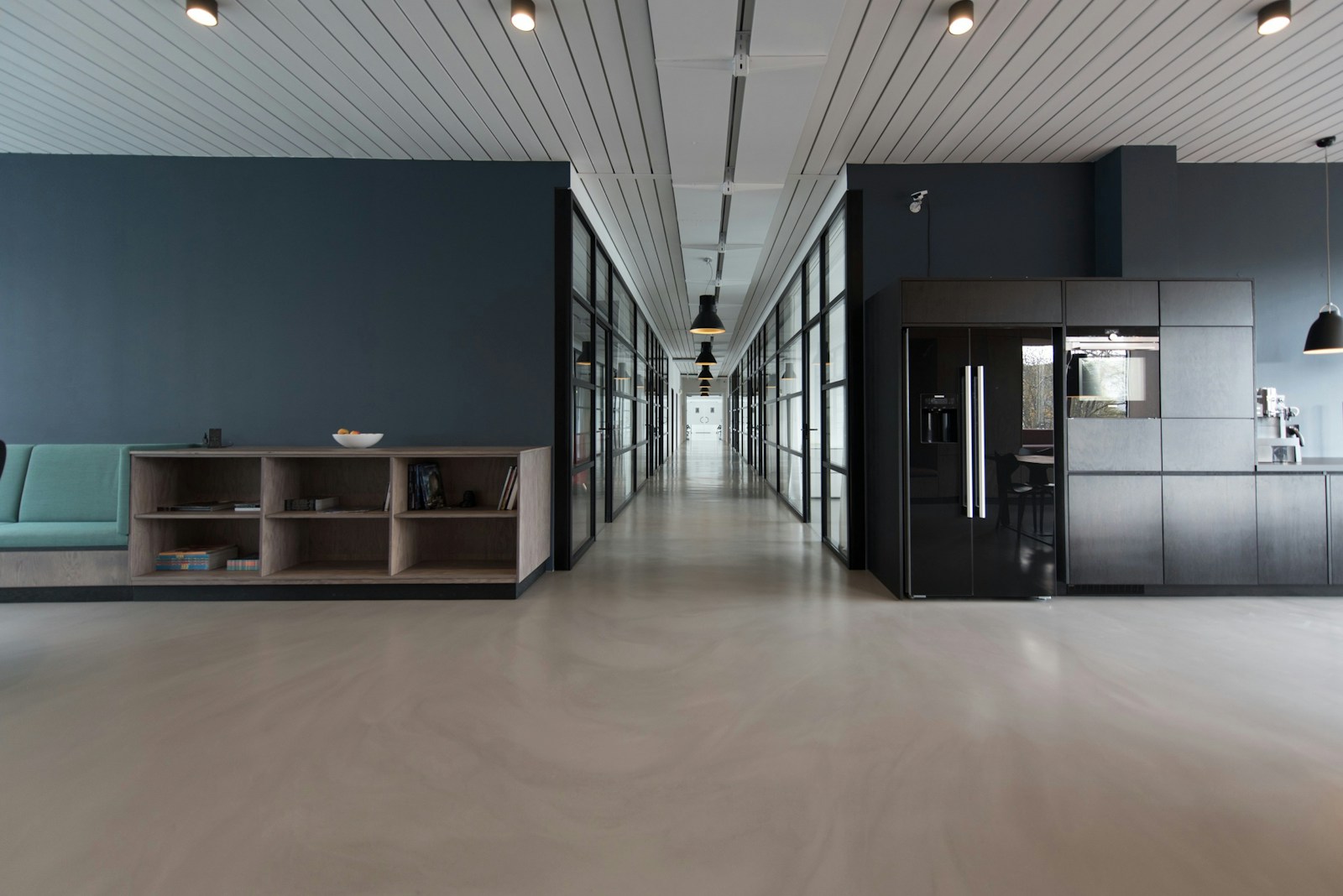
Why the Entrance Needs Its Own Cleaning Plan
Start by assessing the areas around the main entrance. Pavements, thresholds, entrance mats, door glass, handles and sheltered outdoor spaces can all collect dirt throughout the day.
Inside the building, the cleaning scope should cover reception desks, visitor seating, side tables, display surfaces, signage, lifts, stairs and nearby washrooms. Consider when visitors are most likely to arrive, whether deliveries pass through the lobby and whether reception or security staff need clear access to particular areas.
Walking through the entrance at opening time and again later in the day can help identify when additional attention is needed. This makes it easier to set realistic cleaning frequencies for busy and quieter periods.
The Surfaces Visitors Notice First
Entrance floors usually experience the most wear, particularly during wet or muddy weather. Suitable matting helps capture dirt and moisture before they spread further into the building. Mats should be vacuumed regularly and checked for trapped grit, damp patches or damage.
Hard floors may require frequent sweeping, mopping and spot cleaning, depending on foot traffic. Carpeted areas need regular vacuuming, especially along common walking routes, with periodic extraction to remove deeper dirt.
Glass doors and windows should be cleaned using suitable products and methods to avoid streaks or damage to frames, seals and nearby electronic equipment. Frequently touched surfaces, including door handles, lift buttons and reception pens, should also have a defined cleaning frequency.
Practical Reception and Lobby Cleaning Checklist
- Clean entrance glass, frames and door handles.
- Sweep, vacuum or mop floors according to the surface type.
- Vacuum entrance mats and remove trapped dirt and grit.
- Dust reception desks, visitor seating, signage and display areas.
- Wipe lift buttons and other frequently touched surfaces.
- Check the lobby after deliveries, rainfall and busy visitor periods.
- Empty bins and replace liners when required.
- Look for spills, damaged flooring or other issues that could affect visitors.
Manage Weather, Footfall and High-Touch Areas
A reception area can change considerably throughout the day. Rainwater, muddy footwear, deliveries and groups of visitors can quickly affect its appearance. For this reason, a single morning clean may not be enough for buildings with heavy footfall.
Daytime cleaning should be discreet and coordinated with reception staff. Cleaners should use warning signs when floors are wet, keep equipment away from escape routes and avoid blocking the main entrance while working.
A supervisor can arrange short presentation checks before the busiest visitor periods and again before closing. Larger properties may benefit from including lobby tasks in a wider facility management programme, allowing cleaning, waste management and minor maintenance issues to be considered together.
Keep Presentation Consistent Throughout the Day
The condition of the outdoor entrance also affects the appearance of the lobby. Mud, chewing gum, graffiti and salt residue can build up around doorways and external walkways. These issues may require specialist treatment rather than routine cleaning.
The HSE workplace guidance provides a reference for planning safe working practices, while the British Cleaning Council offers information about the cleaning industry. Businesses can also consult UK Government business guidance when reviewing wider operational responsibilities.
How Benchmark Cleaning Can Help with Reception and Lobby Cleaning
Benchmark Cleaning Services supports commercial properties across London with cleaning schedules designed around building access, opening hours, visitor traffic and surface types.
Depending on the property, additional services can be arranged alongside routine cleaning. These include commercial window cleaning, jet washing and graffiti and chewing gum removal.
Combining these services can help businesses maintain both indoor and outdoor entrance areas without treating each cleaning requirement separately.
Related Guidance for Reception and Lobby Cleaning
For more advice on maintaining commercial premises, read about how professional cleaning services improve brand image and when chewing gum needs specialist removal.
Questions About Reception and Lobby Cleaning
How Often Should a Commercial Lobby Be Cleaned?
Most commercial lobbies need daily cleaning, with additional checks or spot cleaning around opening, lunchtime and closing periods. Buildings with high visitor numbers may require more frequent attention to entrance floors, glass, bins and shared touchpoints.
Should Entrance Mats Be Replaced or Cleaned?
Both options may be necessary. Regular vacuuming and appropriate cleaning help remove dirt and extend the useful life of entrance mats. However, mats that are badly worn, damaged or no longer sit securely should be replaced to reduce trip risks and maintain a tidy entrance.
Who Should Clean High Lobby Glass?
High or difficult-to-reach glass should be handled by trained cleaning staff using suitable access equipment and methods. Depending on the building, a specialist window cleaning visit may be more appropriate than including the work in a routine cleaning schedule.
Final Thoughts on Reception and Lobby Cleaning
A well-planned reception and lobby cleaning routine helps businesses create a positive first impression while keeping entrance areas presentable and safe. Give particular attention to floors, glass, matting, touchpoints and changing weather conditions.
The schedule should reflect actual visitor traffic, with short inspections used to identify problems before they become noticeable to guests or staff. Clear responsibilities and suitable specialist cleaning arrangements also help maintain a consistent standard.
Reviewing Your Reception and Lobby Cleaning Plan
Once the schedule is in place, review how it performs during normal business hours. Check whether entrance mats are collecting enough dirt, whether floors remain presentable during busy periods and whether glass and touchpoints are being cleaned often enough.
Record recurring issues such as water entering the building, marks left by deliveries or dirt collecting around doorways. These observations can help determine whether cleaning frequencies, equipment or specialist visits need to change.
A practical plan should also make it clear who reports spills, damage and maintenance concerns. When visitor numbers, opening hours or building layouts change, update the schedule so the reception area continues to meet the needs of the property.