A practical restaurant and bar cleaning London checklist should cover the areas that need the most attention in busy hospitality venues. From bar counters and dining tables to kitchen surfaces, customer toilets and floors, each space has different cleaning requirements. Benchmark Cleaning has more than 20 years of experience supporting London businesses, including hospitality venues, with flexible commercial cleaning programmes. A site visit helps identify high-traffic areas, food preparation spaces, washroom requirements and suitable cleaning times. With a clear checklist and agreed cleaning schedule, restaurant and bar owners can maintain a welcoming environment for customers while supporting everyday hygiene standards.
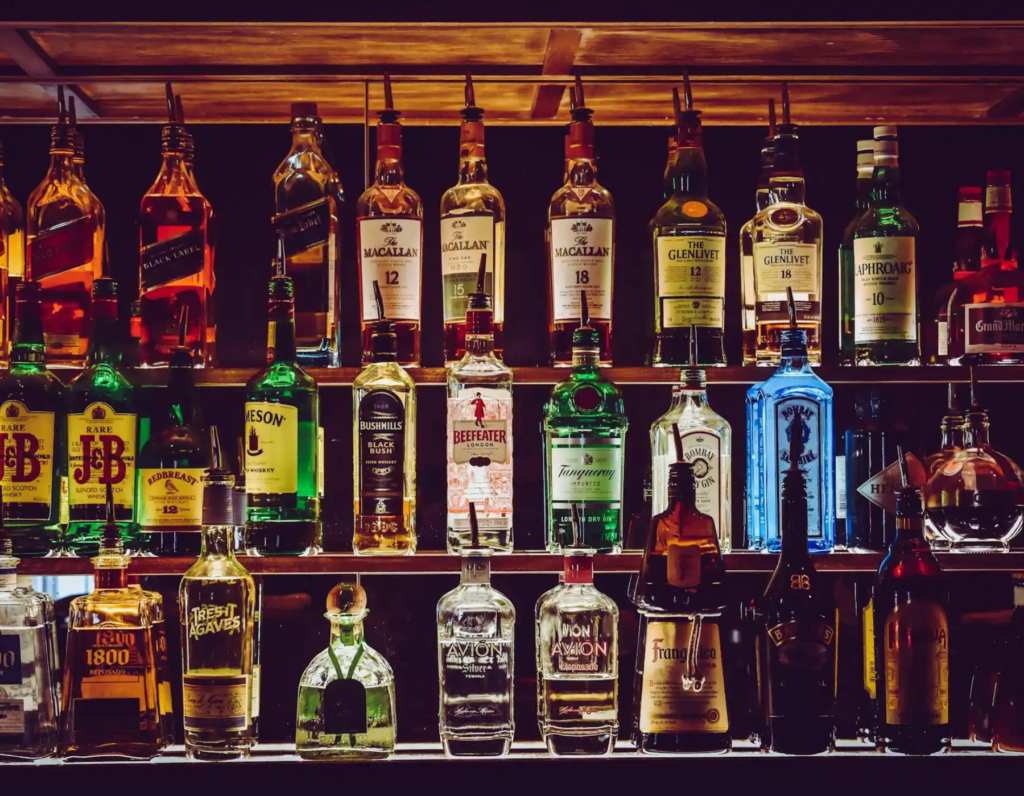
Professional restaurant and bar cleaning helps maintain a hygienic, welcoming environment for customers and staff.
Why a restaurant and bar cleaning checklist matters
In busy London restaurants and bars, dirt and spills can build up quickly. Greasy kitchen surfaces, sticky bar counters, food crumbs, dirty tables and poorly maintained toilets can affect both hygiene and customer experience. A written checklist helps staff and cleaning teams understand their responsibilities and ensures that important tasks are not overlooked during busy service periods.
Start with the busiest areas
The first step is to identify how each area of the venue is used. Bar counters may need frequent wiping throughout service, while dining tables require cleaning between customers. Kitchens need appropriate cleaning procedures for food preparation surfaces and equipment, and customer toilets require regular checks. Floors, entrances, seating and frequently touched surfaces should also be included. The checklist should account for opening hours, customer traffic, food service and the time available for cleaning without disrupting operations.
What should a professional restaurant and bar cleaning service include?
A suitable cleaning specification should explain which areas will be cleaned, how often tasks will be completed and how standards will be checked. Depending on the venue, this may include cleaning bar counters, wiping tables and chairs, vacuuming or mopping floors, cleaning toilets, emptying bins and maintaining kitchen surfaces. Periodic work can cover carpet cleaning, internal glass, hard-floor care and deeper cleaning of areas that accumulate grease and grime.
- Daily cleaning: Bar surfaces, dining tables, kitchen areas, toilets and floors.
- Between services: Table cleaning, spill removal and attention to frequently touched surfaces.
- Weekly or periodic cleaning: Seating, corners, internal glass and less accessible areas.
- Scheduled deep cleaning: Carpets, hard floors and areas requiring more intensive attention.
- Quality checks: Clear reporting to identify missed tasks and maintain consistent standards.
Questions to ask before appointing restaurant cleaners
Are the cleaners trained for hospitality environments?
Restaurants and bars have different cleaning requirements from offices and other commercial premises. Food preparation areas, customer toilets and bar equipment need suitable cleaning methods and products. Ask how cleaners are trained, how chemicals are handled and how the company manages COSHH information. It is also important to establish whether the provider understands site-specific health and safety procedures and who supervises the cleaning service. These details help ensure the programme is appropriate for the venue.
How is cleaning quality measured?
A reliable cleaning service should maintain consistent standards beyond the initial visit. Ask whether the provider uses checklists, routine inspections and a clear process for addressing missed tasks. Reviews can help determine whether cleaning times and priorities are suitable for the venue. Regular communication also allows restaurant and bar managers to adjust the programme when customer numbers, opening hours or operational requirements change.
Useful guidance and related services
Restaurant and bar owners can explore pub cleaning london options alongside the wider commercial window cleaning service and facility management support. For additional guidance, the HSE COSHH guidance, GOV.UK workplace safety information and British Cleaning Council provide useful information on workplace safety and the cleaning industry.
Final thoughts
Choosing restaurant and bar cleaning London services should involve more than comparing prices or agreeing to a basic cleaning routine. Look for a provider that understands hospitality requirements, communicates clearly and can adapt the programme to your venue. A well-managed checklist helps keep dining areas presentable, supports appropriate hygiene practices and creates a more comfortable environment for customers and employees. Benchmark Cleaning offers tailored commercial cleaning across London, with a free site visit and no-obligation quotation available through its contact team.
Putting the checklist into practice
Before introducing a cleaning programme, identify the tasks that must be completed before opening, during service and after closing. List the areas customers see first, the spaces used most frequently and the surfaces that require particular attention. This gives the cleaning team a clear brief and helps managers check whether the agreed work is being completed. It also reduces confusion about responsibilities for tables, seating, kitchen areas, waste points and shared facilities.
Cleaning should fit around food preparation, deliveries, customer bookings and closing procedures. Some tasks can be completed before opening, while spills and table cleaning need attention throughout service. Flexible scheduling helps minimise disruption while maintaining the cleanliness expected by customers and staff. The programme should also be reviewed when the venue introduces new facilities, changes its menu or experiences higher customer traffic.
Keep communication simple
A named contact, clear reporting arrangements and regular inspections help maintain consistent cleaning standards. If a spill, equipment issue or additional cleaning requirement arises, the team should know how to report it promptly. Short reviews can cover completed tasks, outstanding work, cleaning supplies and upcoming events that may affect the schedule. This straightforward communication process helps resolve problems before they become recurring issues.
Balance routine cleaning with deep cleaning
Routine cleaning addresses everyday dirt, spills and food residue, while periodic deep cleaning tackles accumulated grime in less accessible areas. Depending on the venue, this may include carpet cleaning, internal glass, detailed floor care, kitchen areas and thorough washroom cleaning. Planning these tasks in advance makes budgeting easier and reduces the likelihood of having to arrange intensive cleaning at inconvenient times.
When comparing restaurant and bar cleaning providers, consider the agreed scope, staff training, equipment, supervision, cover arrangements and quality checks rather than focusing only on the hourly rate. A dependable provider should explain what is included and tailor the checklist after assessing the premises. This creates a more practical cleaning arrangement and helps maintain a hygienic, presentable restaurant or bar over the long term.