A clean retail store helps create a positive first impression, makes shopping more comfortable and supports a professional brand image. In busy London stores, maintaining those standards requires a cleaning plan that fits around opening hours, customer traffic, deliveries and staff responsibilities.
Benchmark Cleaning has supported London businesses for more than 20 years, providing cleaning programmes for retail premises and other commercial properties. A practical retail cleaning schedule separates essential tasks before opening, ongoing upkeep during trading and more detailed work after closing.
The right plan depends on the store’s size, layout, footfall and facilities. By agreeing on clear responsibilities and cleaning frequencies, retailers can maintain a welcoming environment without disrupting the customer experience.
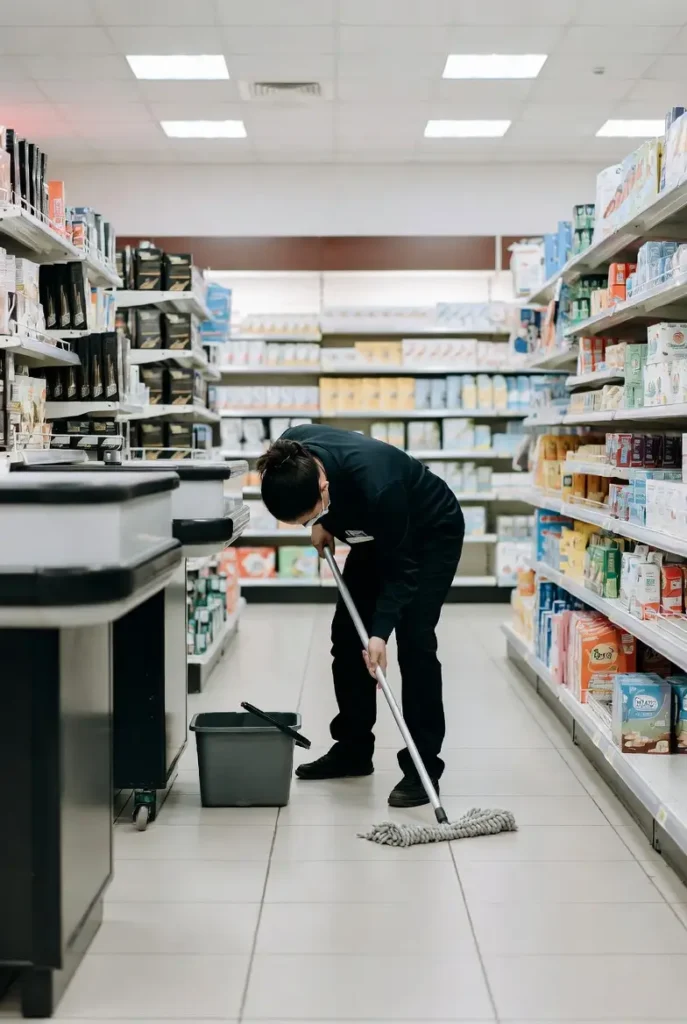
Why Retail Stores Need a Structured Cleaning Schedule
Retail spaces can become untidy quickly. Customers bring dirt and moisture into the building, high-traffic aisles accumulate marks, and fitting rooms, counters and payment areas require regular attention. Waste packaging and deliveries can also create additional cleaning demands throughout the day.
A structured plan helps staff and cleaning teams understand which tasks must be completed and when. It also prevents essential areas from being overlooked during busy periods.
The schedule should reflect the way the store operates. A small boutique may have different requirements from a large department store, supermarket or shopping-centre unit. Entrance areas, customer toilets and checkout counters may need more frequent attention than spaces used less often.
Cleaning Before the Store Opens
Opening-time cleaning prepares the premises for customers and allows staff to begin the day in a tidy, presentable environment. Tasks should be completed before the main customer flow begins wherever possible.
Prepare Entrances and Shopfronts
The entrance is often the first part of the store customers see. Floors should be checked for dust, debris and moisture, while glass doors and accessible display windows should be inspected for fingerprints and marks.
Door handles, push plates and other frequently touched surfaces should also be cleaned according to the agreed schedule. During wet weather, entrance mats may need additional attention to reduce the amount of dirt and water carried inside.
External shopfront cleaning can be scheduled separately when specialist equipment or access arrangements are required.
Clean Floors and Customer Areas
Before opening, staff or cleaners should check that customer walkways, aisles and display areas are clean and free from obstructions. Vacuuming, sweeping or mopping should be selected according to the floor type and the level of soiling.
Any damp floors must be allowed to dry or clearly marked before customers enter. Display fixtures and accessible surfaces should be dusted where required, with care taken around merchandise and equipment.
Check Fitting Rooms and Customer Facilities
Fitting rooms can collect dust, packaging and discarded tags throughout the day, so an opening check helps ensure they are ready for use. Mirrors should be inspected for fingerprints, floors cleared and waste bins emptied.
Where customer toilets are provided, the opening routine should include cleaning, checking supplies and confirming that facilities are ready for use. These checks contribute to a more comfortable shopping experience.
Maintaining Cleanliness During Trading Hours
Opening-time cleaning establishes the day’s starting standard, but stores also need a plan for maintaining cleanliness while customers are present.
Keep High-Traffic Areas Under Control
Entrances, main aisles, checkout queues and fitting rooms often require attention throughout the trading day. Staff should know how to report spills, overflowing bins and other issues that need prompt action.
Spills should be dealt with quickly using suitable procedures and equipment. Where cleaning creates a temporary hazard, the affected area should be clearly marked or restricted until it is safe to use.
Maintain Counters and Frequently Touched Surfaces
Checkout counters, payment terminals, door handles and customer service desks receive repeated contact. Cleaning frequency should reflect how heavily these surfaces are used and the store’s hygiene requirements.
Cleaning products must be suitable for the materials being treated, especially around electronic equipment and product displays. Staff should follow product instructions and avoid applying liquids directly to sensitive devices.
Manage Waste and Deliveries
Retail waste can increase during busy periods, particularly when new stock is unpacked. Bins should be checked regularly, packaging removed safely and waste moved to the designated collection area.
Delivery routes and stockrooms should also be kept clear. Good housekeeping reduces obstructions and helps staff move products safely without affecting customer areas.
Closing-Time Cleaning After Customers Leave
Closing provides an opportunity to complete more thorough cleaning without interrupting shoppers. The exact tasks depend on the store’s size and trading pattern, but a consistent end-of-day routine helps maintain standards for the next opening.
Floors, Aisles and Displays
Floors should be swept, vacuumed or mopped as appropriate, with particular attention to entrances, checkout areas and busy walkways. Dirt and debris should be removed from corners and beneath accessible fixtures where necessary.
Cleaning should be planned around stock, display equipment and any areas that must remain undisturbed. Floors must be left safe for staff who may continue working after the store closes.
Washrooms, Staff Areas and Fitting Rooms
Customer and staff facilities should be cleaned according to the agreed specification. This may include sanitising suitable surfaces, cleaning basins and toilets, emptying bins and replenishing supplies.
Fitting rooms should be checked for discarded packaging and rubbish, with mirrors and other surfaces cleaned as needed. Staff kitchens and break areas should also be left tidy for the next working day.
Waste Removal and Final Checks
Bins should be emptied as required, waste transferred to the designated area and cleaning equipment stored safely. A final inspection can confirm that the agreed tasks have been completed and that entrances, aisles and customer facilities are ready for the next day.
A simple reporting process helps managers identify any problems that require follow-up.
When to Schedule Deep Cleaning
Routine cleaning keeps a store presentable, but some areas need more intensive attention at planned intervals. Deep cleaning should be scheduled according to footfall, surface condition and the nature of the business.
Tasks may include:
- Detailed cleaning of floors and edges that receive regular foot traffic.
- Carpet extraction where carpeted areas have accumulated dirt.
- Thorough cleaning of fitting rooms, staff rooms and less accessible spaces.
- Internal glass cleaning and detailed attention to shopfront glazing.
- Cleaning beneath movable fixtures where access is safe and practical.
- High-level dust removal and other specialist tasks identified during inspection.
Some retailers arrange deep cleaning outside normal trading hours or during quieter periods. Seasonal changes, refurbishment work and promotional events can also influence when additional cleaning is needed.
For specialist support, retailers can explore shop and retail cleaning services, alongside commercial window cleaning and facility management services.
Choosing a Retail Cleaning Provider
A suitable cleaning provider should understand the practical demands of a customer-facing environment. Before agreeing on a service, retailers should discuss the store layout, trading hours, customer traffic, cleaning priorities and any restrictions on access.
The quotation should clearly state which tasks are included, how frequently they will be carried out and whether deep cleaning or specialist services cost extra. Retailers should also ask about staff training, supervision, absence cover and how problems are reported.
Safety is particularly important when cleaning around customers, merchandise and electrical equipment. Cleaning products must be handled correctly, and staff should understand the risks associated with the substances they use. The HSE COSHH guidance provides information on assessing and controlling risks from hazardous substances.
Retailers can also consult GOV.UK workplace health and safety information and resources from the British Cleaning Council for wider industry and safety context.
Monitoring Quality and Adjusting the Schedule
A cleaning plan should be reviewed regularly to confirm that it still meets the store’s needs. Managers can inspect entrances, floors, fitting rooms, washrooms and checkout areas to identify recurring issues.
If certain areas become dirty before the next scheduled visit, the frequency may need to increase. Conversely, tasks in less frequently used spaces may be scheduled differently without compromising standards.
Communication between store managers and the cleaning provider helps address problems promptly. Reviews should also take account of seasonal footfall, changes to opening hours, new displays and store renovations.
Creating a Reliable Retail Cleaning Routine
Effective retail store cleaning in London depends on coordinating work before opening, maintaining standards during trading and completing thorough tasks after closing. Deep cleaning then addresses areas that require more detailed attention beyond the everyday routine.
A schedule tailored to the store’s layout and customer traffic can help protect presentation, support hygiene and reduce disruption to daily operations. Clear responsibilities, suitable cleaning methods and regular quality checks make the programme easier to manage.
Benchmark Cleaning offers tailored commercial cleaning services across London. Retailers can arrange a site visit and request a no-obligation quotation to discuss their premises, preferred cleaning times and ongoing requirements.