A clean school environment supports pupils, teachers, support staff and visitors throughout the academic year. Classrooms, corridors, washrooms, dining areas and shared facilities experience constant use, making regular cleaning an important part of maintaining a welcoming learning environment. Professional school cleaning in London helps educational facilities manage everyday dirt, reduce hygiene risks and keep their premises ready for lessons and activities.
Every school has different cleaning requirements. A primary school may need particular attention to classrooms, play areas and frequently touched surfaces, while a secondary school may have larger corridors, specialist rooms, sports facilities and busy communal spaces. An effective cleaning plan should reflect the age of the pupils, the layout of the building and the school’s daily timetable.
Benchmark Cleaning provides commercial cleaning services across London, including school cleaning designed around the requirements of educational premises. With a structured schedule, appropriate cleaning methods and regular quality checks, schools can maintain cleaner surroundings without unnecessary disruption to teaching.
Why School Cleaning Is Important for Safer Learning
Schools bring together large numbers of people who share rooms, equipment and facilities throughout the day. Desks, door handles, handrails, taps and other frequently touched surfaces can accumulate dirt and require routine attention. Food spills, muddy footprints and overflowing bins can also affect the condition of classrooms and communal areas.
A consistent cleaning routine helps schools manage these everyday challenges. Clean floors can reduce the risk of slips caused by avoidable dirt or spills, while well-maintained washrooms and dining areas support better hygiene. Removing dust and waste from learning spaces also helps keep classrooms comfortable and presentable.
Cleaning alone cannot prevent every illness or accident, but it is an important part of a school’s wider approach to hygiene, maintenance and pupil safety. Staff should also encourage good hand hygiene, report hazards promptly and follow the school’s health and safety procedures.
Classroom Cleaning for Healthy Learning Spaces
Classrooms are used for lessons, group activities, independent work and, in some schools, meals or after-school programmes. Regular cleaning helps keep these spaces ready for the next school day.
Desks, Chairs and Shared Equipment
Desks, chairs, shelves and frequently used classroom equipment should be cleaned according to the school’s schedule and the level of use. High-touch surfaces may need additional attention, particularly where equipment is shared between different classes.
Cleaning products should be suitable for the materials being treated. Products must be used according to their instructions, and surfaces should be allowed to dry where necessary before pupils return to the room.
Floors and Carpets
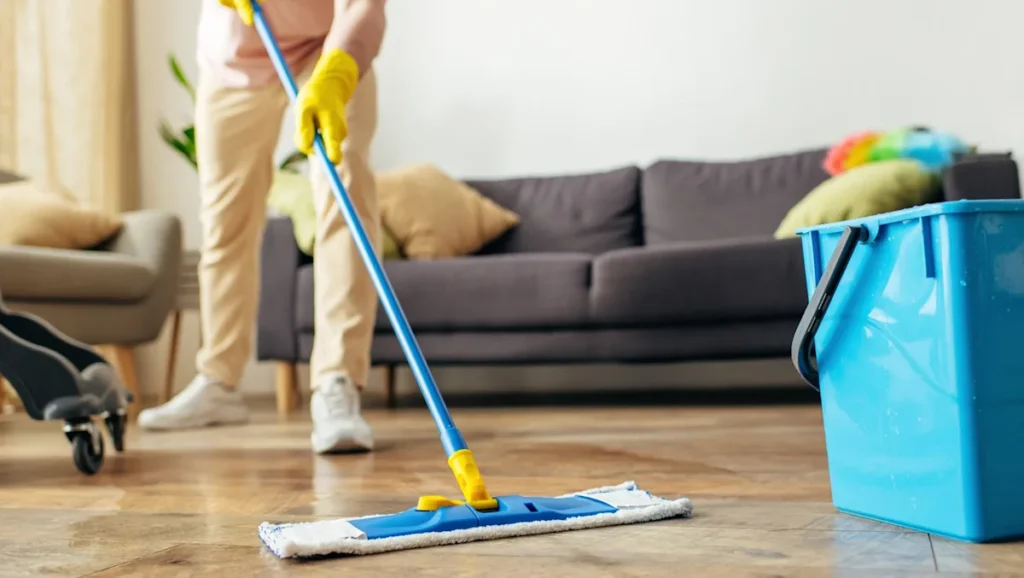
Classroom floors collect dust, soil, crumbs and other debris brought in on shoes. Hard floors generally require suitable sweeping, vacuuming or mopping, while carpets need regular vacuuming and periodic deeper cleaning.
Spills should be addressed promptly, with the area made safe while cleaning takes place. Wet floors should be clearly signposted where necessary, and cleaning should be timed to avoid pupils walking through recently treated areas.
Bins and Waste Management
Classroom bins should be emptied regularly to prevent waste from accumulating. The schedule should account for the number of pupils, the type of activities taking place and whether food waste is produced in the room.
Recycling should be managed according to the school’s arrangements, and waste should be removed using appropriate procedures. A tidy classroom makes it easier for teachers and pupils to use the space effectively.
Keeping School Washrooms Clean and Hygienic
Washrooms require consistent attention because they are used repeatedly throughout the school day. A cleaning plan should cover toilets, cubicles, basins, taps, handles, floors and other frequently touched surfaces.
Soap dispensers, toilet paper and paper towels should be checked and replenished as required. Bins should be emptied, and visible spills should be dealt with promptly. Cleaning teams should also report maintenance concerns, such as leaking taps, damaged fixtures, blocked drains or broken dispensers.
The required frequency depends on pupil numbers, the number of facilities and how heavily they are used. Busy washrooms may need checks between scheduled cleaning visits, rather than relying on a single clean at the beginning or end of the day.
Clear procedures should be in place for handling cleaning chemicals and equipment safely. Cleaning products must never be mixed, and staff should follow the relevant instructions and safety precautions.
Cleaning School Kitchens and Dining Areas
Dining halls, canteens and food preparation areas need cleaning routines that reflect how the facilities are used. Food crumbs, spills and waste can accumulate quickly during meal breaks, especially when several year groups use the same space.
Tables and chairs should be cleaned between uses where required, while floors need attention to remove food debris and spillages. Waste bins should be emptied regularly, and food waste should be handled according to the school’s procedures.
Where kitchens are used to prepare or serve meals, cleaning arrangements must support the applicable food hygiene requirements. Food-contact surfaces require appropriate cleaning and sanitising procedures, using products suitable for their intended purpose.
Cleaning schedules should distinguish between general dining areas and food preparation spaces. Responsibilities for kitchen cleaning, equipment and food hygiene should be agreed with the relevant school staff or catering provider.
Corridors, Staircases and Shared Facilities
Corridors, staircases, entrances and reception areas experience continuous movement throughout the day. Mud, rainwater and outdoor debris can be carried into the building, particularly during wet weather.
Regular floor cleaning, bin emptying and attention to frequently touched surfaces help keep these areas presentable. Entrance mats can also help limit the amount of dirt brought inside, provided they are maintained and positioned safely.
Staircases and escape routes must remain clear of cleaning equipment, waste and other obstructions. Where cleaning is carried out during school hours, staff should manage access carefully and use suitable warning signs around wet floors.
Libraries, assembly halls, staff rooms and sports facilities should also be included in the cleaning plan. Their requirements will vary depending on how often they are used and the activities taking place.
Creating a School Cleaning Schedule
A reliable school cleaning plan should reflect the academic timetable, the size of the premises and the number of people using each area. A single schedule may not be appropriate for every room, so tasks should be divided according to their frequency and priority.
Daily cleaning commonly covers classroom floors and surfaces, washrooms, dining areas, bins, entrances and frequently touched points. The exact tasks will depend on the facilities and the school’s needs.
During-the-day checks can help manage spills, heavily used washrooms, litter and other issues that arise between scheduled cleaning visits. These checks are particularly useful in busy schools where conditions change quickly.
Weekly cleaning can include more detailed attention to furniture, corners, less frequently used rooms and areas that do not require the same level of daily intervention.
Periodic deep cleaning may cover carpets, floor treatments, high-level dusting and other tasks that require additional time or specialist equipment. School holidays often provide a practical opportunity to complete this work with less disruption to lessons.
The schedule should be reviewed when pupil numbers change, new facilities are introduced or the school experiences different patterns of use. A written task list helps cleaners and school managers understand what needs to be completed and when.
School Cleaning During Term Time and Holidays
Cleaning during term time requires careful coordination. Work should be arranged around lessons, breaks, examinations, extracurricular activities and access restrictions. Where possible, more disruptive tasks can be completed before pupils arrive, after school or during suitable breaks.
Some tasks may need to take place while the building is occupied. In these cases, cleaners should follow the school’s safeguarding procedures, respect restricted areas and avoid creating unnecessary disruption.
School holidays provide an opportunity to carry out work that is difficult to complete during a normal school day. Depending on the premises, this may include carpet cleaning, detailed floor care, cleaning behind movable furniture and treating areas that receive less attention during routine visits.
Holiday cleaning should be planned in advance with school management. The team should confirm access arrangements, the areas to be treated and any maintenance work taking place at the same time.
Choosing a Professional School Cleaning Company in London
Schools need a cleaning provider that understands the responsibilities involved in working around children and educational staff. When comparing companies, consider their experience, staff training, safeguarding procedures, insurance and approach to quality control.
Ask how cleaners are vetted, how access to the building is managed and what arrangements apply to keys, alarms and restricted areas. Where required by the role and setting, appropriate background checks should be confirmed. Schools should also establish how cleaning teams report hazards, damage or maintenance issues.
A clear quotation should explain the tasks included, the frequency of visits, the provision of cleaning products and equipment, and any additional charges for specialist work. It should also identify who supervises the service and how missed tasks or concerns will be handled.
Reliable communication is important. A named contact and a straightforward reporting process allow school managers to raise issues and request adjustments when the timetable or use of the building changes.
Safe Cleaning Practices and Staff Training
School cleaning involves more than making rooms look tidy. Cleaning teams must understand how to use equipment and products appropriately, protect themselves and others, and work around pupils safely.
Products should be selected for the task and surface, stored securely and used according to the manufacturer’s instructions. Chemicals must be kept away from pupils, and cleaning equipment should not be left unattended in accessible areas.
Staff should also understand the school’s procedures for reporting hazards, managing spills and protecting sensitive areas. Where a task involves specialist equipment, difficult access or a particular safety risk, it should be assigned to appropriately trained personnel.
Schools and cleaning providers can consult the HSE guidance on controlling hazardous substances to understand the importance of assessing and managing risks associated with cleaning products.
Regular supervision and refresher training help maintain consistent standards. Site inspections can identify missed tasks, recurring problems and areas where the cleaning schedule needs improvement.
Maintaining Standards Through Regular Quality Checks
A cleaning plan is most effective when the school can verify that the agreed work is being completed. Inspections should cover the condition of classrooms, washrooms, dining facilities, floors, entrances and other priority areas.
Any concerns should be recorded and communicated to the cleaning supervisor. The provider can then arrange corrective action and check whether the issue has been resolved. If the same problem continues, the cleaning schedule or allocation of time may need to be reviewed.
Feedback from school staff can also help identify changing requirements. For example, an increase in pupil numbers or more frequent use of a particular room may mean that additional cleaning is needed.
Consistent monitoring helps schools maintain standards throughout the academic year rather than waiting until problems become obvious.
Creating a Cleaner Environment for Learning
A well-maintained school supports a more welcoming environment for pupils, teachers and visitors. Regular classroom cleaning, hygienic washrooms, tidy dining areas and safe shared spaces all contribute to the day-to-day running of an educational facility.
Benchmark Cleaning provides commercial cleaning services across London, including support for schools that need a structured approach to routine cleaning and planned maintenance. The right schedule should reflect the school’s facilities, occupancy, timetable and safeguarding requirements.
By combining clear cleaning specifications, trained staff, suitable products and regular quality checks, schools can maintain cleaner learning spaces while minimising disruption to teaching.
To discuss school cleaning requirements, contact Benchmark Cleaning to arrange a site assessment and request a no-obligation quotation.