A school cleaning London term-time plan should reflect the school timetable, pupil numbers and the areas that need regular attention. From classrooms and corridors to toilets, canteens and staff rooms, each space requires a suitable cleaning frequency. Benchmark Cleaning has more than 20 years of experience supporting London businesses, including educational premises, with flexible cleaning programmes. A site visit helps identify busy areas, washroom requirements, safeguarding procedures and suitable cleaning times. With an agreed schedule, schools can maintain cleaner learning environments throughout the term without unnecessary disruption to lessons or other school activities. Benchmark Cleaning provides professional school cleaning services in London tailored to educational environments.
Why a term-time cleaning plan matters
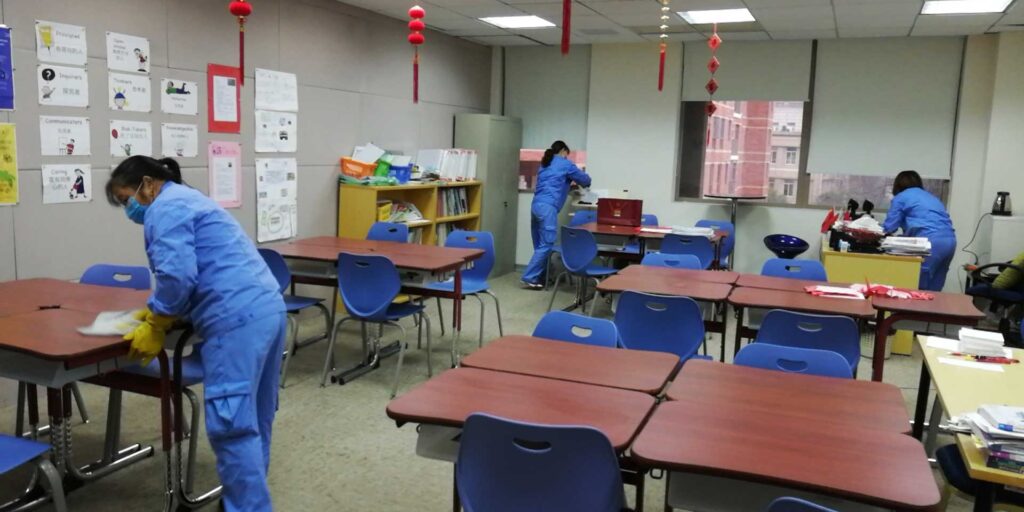
Schools experience constant activity during the day, from pupils moving between classrooms to shared facilities being used during breaks. Dust, litter, marks on desks and dirty floors can accumulate quickly. A structured cleaning plan helps school managers prioritise essential tasks, assign responsibilities and maintain consistent standards throughout the term.
Start with the school timetable and daily routines
The first step is to understand how the school operates. Classrooms may need cleaning after lessons, while toilets and shared facilities require attention throughout the day. Canteens, corridors, reception areas and sports halls also experience different levels of use. The plan should account for lesson times, break periods, staff arrival, after-school clubs and security arrangements. This allows cleaners to work efficiently without interrupting teaching or pupil activities.
What should a term-time school cleaning service include?
A practical specification should explain which areas will be cleaned, how often tasks will be completed and how quality will be checked. Depending on the school, this may include wiping desks and suitable touchpoints, vacuuming or mopping floors, cleaning washrooms, emptying bins and maintaining staff kitchens. Periodic tasks can cover internal glass, carpets, hard-floor care and deeper cleaning of less accessible areas. The schedule should reflect the school’s requirements rather than follow a generic checklist.
- Daily cleaning of classrooms, entrances, corridors and washrooms.
- Regular attention to desks, door handles and frequently touched surfaces.
- Cleaning of canteens, staff rooms and shared facilities according to use.
- Planned deep cleaning of carpets, floors and hard-to-reach areas during suitable periods.
- Clear reporting so cleaning issues can be identified and resolved promptly.
Questions to ask before appointing school cleaners
Are the cleaners trained for educational environments?
Schools require cleaning arrangements that account for pupil safety, safeguarding and site-specific procedures. Ask how cleaners are trained, how cleaning products are selected and how the company manages COSHH information. It is also important to confirm whether appropriate background checks, access arrangements and health and safety procedures are in place. Schools should establish who supervises the service and how cover is arranged when a cleaner is absent.
How is cleaning quality measured?
A dependable service needs regular checks rather than relying on the initial clean. Ask whether the provider uses cleaning checklists, inspections and a clear process for recording outstanding tasks. Reviews can help determine whether cleaning times and priorities suit the school timetable. Regular communication also allows managers to adjust the programme when pupil numbers, room usage or school activities change during the term.
Useful guidance and related services
Schools can review school window cleaning options alongside the wider commercial window cleaning service and facility management support. For additional information, the HSE COSHH guidance, GOV.UK workplace safety information and British Cleaning Council provide useful background on safe working practices and the cleaning industry.
Final thoughts
Choosing school cleaning London services requires a plan that works around the academic timetable and the daily needs of pupils and staff. Look for a provider that understands educational environments, communicates clearly and can adapt the schedule when circumstances change. A well-managed term-time cleaning programme supports hygiene, keeps shared spaces presentable and provides a more comfortable environment for learning. Benchmark Cleaning offers tailored commercial cleaning across London, with a free site visit and no-obligation quotation available through its contact team.
Putting the term-time plan into practice
Before the term begins, identify the rooms that require daily cleaning, the facilities that need frequent checks and the tasks that can be completed outside school hours. Classrooms, toilets, corridors, canteens and reception areas should each have clearly defined priorities. This gives the cleaning supervisor a practical brief and makes it easier for school managers to check whether the agreed work is being completed.
Cleaning visits should fit around lessons, break times, staff arrival and after-school activities. Some tasks can be completed before pupils arrive, while others are best scheduled once classrooms are empty. Where daytime cleaning is necessary, clear procedures can help minimise disruption. The programme should also be reviewed when room usage, school activities or operating hours change.
Keep communication simple
A named contact, a clear reporting route and regular inspections help maintain consistent standards. If a spill, access issue or additional cleaning requirement arises, staff should know how to report it promptly. Short reviews can cover completed tasks, outstanding work, supply levels and any upcoming events that may affect the schedule. This feedback helps the cleaning team respond to problems before they become recurring issues.
Balance routine cleaning with holiday deep cleaning
Routine cleaning maintains everyday standards during the school term, while holiday periods provide an opportunity for more intensive work. Depending on the premises, this may include carpet cleaning, internal glass, detailed floor care and thorough cleaning of areas that are difficult to access during a normal school day. Planning these tasks ahead of time helps schools make better use of quieter periods and prepare facilities for the next term.
When comparing school cleaning providers, consider the scope of work, staff training, supervision, equipment, absence cover and quality checks rather than focusing only on the hourly rate. A reliable provider should explain what is included and tailor the schedule to the school’s requirements. This approach helps maintain cleaner educational facilities throughout the academic year.