Clean windows help schools maintain bright, welcoming learning environments for pupils, teachers, staff and visitors. However, school window cleaning requires more than achieving a streak-free finish. The work must be planned around pupil safety, building access, school opening hours and the equipment needed to reach each window safely.
A suitable maintenance plan considers the school’s layout, the height and condition of its windows, and the areas surrounding the building. Ground-floor windows may be straightforward to access, while upper-floor glazing, windows above entrances and hard-to-reach areas may require specialist methods.
Benchmark Cleaning provides commercial cleaning services across London, helping organisations plan cleaning around their premises and operational requirements. With a clear schedule, appropriate equipment and site-specific safety measures, schools can maintain their windows without unnecessary disruption to lessons or school activities.
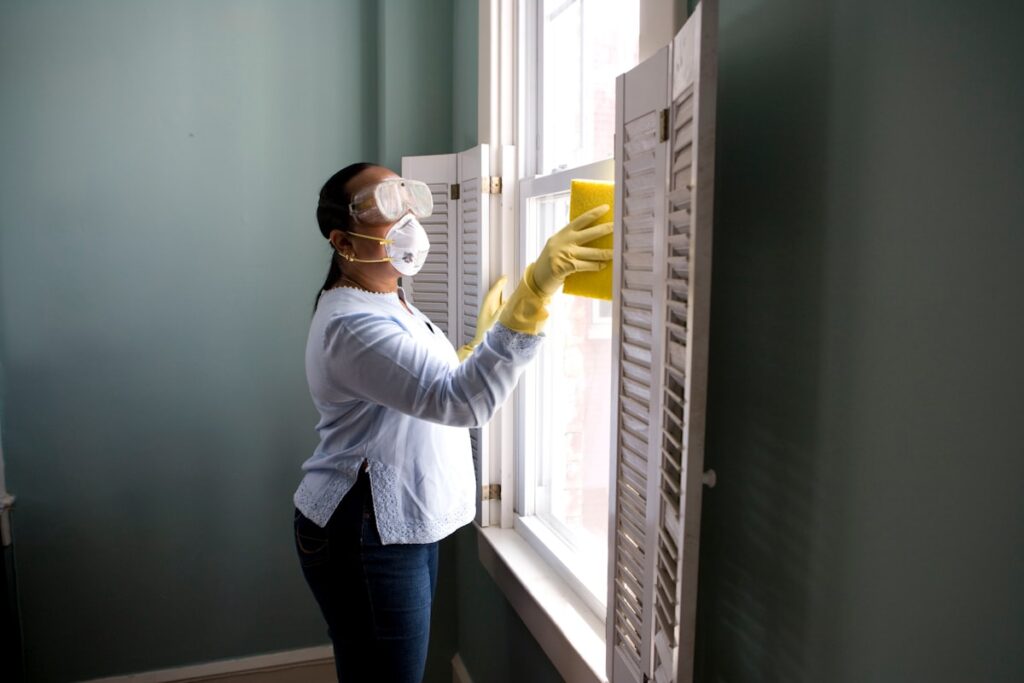
Why School Window Cleaning Needs a Planned Approach
School windows collect dust, fingerprints, rain marks, pollen and environmental dirt throughout the year. Entrances and lower-level glazing may become dirty quickly because pupils, staff and visitors pass through these areas regularly. Upper-floor windows can also accumulate deposits that affect the building’s appearance and the amount of natural light entering classrooms.
Regular window cleaning helps maintain a presentable school environment and keeps glazing clearer. However, the frequency and method should reflect the building rather than follow a generic schedule.
Schools also have responsibilities to protect pupils and staff while cleaning takes place. Equipment must not obstruct walkways or emergency exits, and work should be arranged to minimise contact between pupils and the cleaning area.
A planned approach helps school managers coordinate access, communicate with the cleaning provider and ensure that the required work can be completed safely.
Assessing School Windows Before Cleaning
Before arranging a cleaning visit, the building should be assessed to identify the windows that need attention and the safest way to reach them.
The assessment should consider the number of windows, their height, their design and the condition of the surrounding surfaces. It should also identify nearby playgrounds, entrances, pedestrian routes, parked vehicles and other areas that could be affected by the work.
Some windows may be accessible using water-fed poles from a suitable ground-level position. Others may require internal access or specialist equipment. The selected method should reflect the building’s layout and the risks involved.
School managers should share relevant information about restricted areas, access arrangements and the timetable for lessons or activities. Where maintenance work is happening at the same time, the cleaning schedule should be coordinated with the other contractors.
A site assessment provides a practical basis for deciding what can be cleaned, how the work will be carried out and which precautions are necessary.
Choosing a Suitable Window Cleaning Method
Different school buildings require different cleaning methods. The equipment should be suitable for the windows, the surrounding environment and the conditions in which the work will take place.
Water-Fed Pole Window Cleaning
Water-fed poles can be suitable for many external school windows that can be reached safely from the ground. A brush loosens dirt from the glass and frames, while purified water helps rinse away residue.
This approach can reduce the need for cleaners to work at height, making it a useful option for suitable buildings. It may also help maintain windows across large school façades without requiring access equipment for every visit.
However, water-fed poles are not appropriate for every window. Building height, obstacles, overhead services, window design and ground conditions must be considered before work begins. Hoses should be positioned carefully to prevent trip hazards, and water runoff must not create slippery surfaces.
Internal Window Cleaning
Internal glazing can collect fingerprints, dust and marks from everyday classroom use. Reception areas, classroom windows, internal partitions and doors may need regular attention to maintain a clean appearance.
Cleaning should be arranged around lessons and staff activities. Desks, learning materials, electrical equipment and other nearby items should be protected from moisture and cleaning products.
The cleaning team should also consider access restrictions and the school’s procedures for working in occupied rooms.
Specialist Access for Upper-Floor Windows
Some school windows cannot be reached safely using ground-based methods. These areas may require specialist access equipment and appropriately trained personnel.
The method should be selected following a site-specific risk assessment. Equipment must be suitable for the building and the task, and the cleaning team should understand the relevant operating procedures.
Ladders should not automatically be treated as the preferred option for high-level cleaning. Any proposed access method must be justified by the task and supported by appropriate precautions.
If safe access cannot be established, the work should be postponed until a suitable arrangement is available.
Protecting Pupils, Staff and Visitors
School window cleaning must be coordinated with the people using the building. Cleaning equipment, wet surfaces and work at height can introduce hazards if the area is not managed properly.
Depending on the task, precautions may include temporary barriers, warning signs, controlled access routes and adjustments to the cleaning schedule. Windows above entrances or busy walkways may need particular attention when planning the work.
Cleaning teams should avoid leaving tools, poles, hoses or equipment unattended in areas accessible to pupils. Water runoff should be controlled, and any wet floors should be managed until they are safe to use.
Schools should also agree how cleaners will enter the building, which areas they may access and who will supervise site arrangements. Where required, staff vetting and safeguarding procedures should be confirmed before work begins.
These measures help the school maintain control of its premises while ensuring that the cleaning can be completed efficiently.
Planning Cleaning Around the School Calendar
The timing of window cleaning can make a significant difference to safety and convenience. Schools need to consider lessons, break times, examinations, sports activities, deliveries and other events when arranging visits.
During term time, cleaning can often be scheduled outside teaching hours or during suitable periods when the affected areas are not in use. Work near classrooms, playgrounds and main entrances requires particular coordination.
During school holidays, there may be more flexibility to clean windows that are difficult to access while the building is occupied. Holiday periods can also provide an opportunity to combine window cleaning with other planned maintenance work.
The school should agree access arrangements in advance and notify relevant staff about the areas that will be affected. If a window cannot be reached safely during a normal visit, it may be more practical to schedule the work for a quieter period.
A planned calendar helps prevent cleaning from being delayed until windows become noticeably dirty.
How Often Should School Windows Be Cleaned?
There is no single cleaning frequency that suits every school. The appropriate schedule depends on the location of the building, the surrounding environment, the amount of foot traffic and the school’s presentation requirements.
Ground-floor windows near entrances may need more frequent attention than upper-floor glazing in less exposed locations. Schools near busy roads or construction work may also experience faster dirt accumulation.
A practical maintenance plan can separate routine cleaning from less frequent detailed work. External windows may be cleaned at agreed intervals throughout the year, while internal glass can be checked more regularly in high-use areas.
School managers should review the schedule if conditions change. Building work, seasonal weather, increased use of facilities or changes to the school layout may affect how often cleaning is needed.
Regular inspections help identify areas that require additional attention and make it easier to keep the programme aligned with the school’s needs.
Choosing a Professional School Window Cleaning Provider
When selecting a cleaning company, schools should look for experience, clear communication and a practical understanding of working around children and educational staff.
Ask how the provider assesses the building, selects access equipment and manages risks. It is also sensible to confirm appropriate insurance, staff competence, equipment inspection procedures and arrangements for supervision.
The quotation should explain which windows are included, how frequently they will be cleaned and what access methods are proposed. Any limitations or additional requirements should be discussed before the work begins.
Schools should also ask how the provider manages changes to the timetable, reports unexpected hazards and responds when a cleaning visit cannot proceed as planned.
Benchmark Cleaning offers commercial window cleaning services across London. Schools can discuss their building requirements and arrange an assessment to establish a suitable cleaning approach. Where wider premises support is needed, facility management services may also help coordinate cleaning and other building-related requirements.
Safe Working Practices and Cleaning Products
Safe school window cleaning depends on appropriate equipment, trained personnel and clear working procedures. The cleaning team should understand the risks associated with its chosen method and follow the relevant equipment instructions.
Cleaning products must be suitable for the glass, frames and surrounding surfaces. They should be used according to the manufacturer’s instructions, stored securely and kept away from pupils. Workers should also understand the precautions required when handling chemicals or working near sensitive materials.
The HSE guidance on controlling hazardous substances provides information about assessing and managing risks associated with cleaning products. The GOV.UK workplace safety information offers additional background on workplace health and safety responsibilities.
The British Cleaning Council is another useful source of information about the professional cleaning sector.
Schools and cleaning providers should ensure that their procedures reflect the actual building, equipment and work being undertaken.
Maintaining Window Cleaning Standards
A maintenance plan should include a straightforward way to review the quality of completed work. Inspections can check whether the agreed windows have been cleaned, whether visible marks remain and whether any access or safety issues occurred during the visit.
If particular areas repeatedly require additional attention, the schedule or cleaning method may need to be reviewed. For example, windows near busy entrances may need more frequent cleaning, while difficult-to-reach glazing may require a separate maintenance arrangement.
Communication between the school and the cleaning provider helps ensure that concerns are addressed before the next visit. Keeping a record of completed work, outstanding tasks and planned maintenance also makes the programme easier to manage.
The aim is to maintain a consistent standard while keeping safety and the school’s daily activities at the centre of the plan.
A Reliable School Window Cleaning Plan
School window cleaning should balance clear glass, safe working practices and minimal disruption to learning. Assessing the building, selecting suitable access methods and planning visits around the academic calendar helps schools maintain their premises throughout the year.
Benchmark Cleaning provides commercial cleaning services across London and can help schools discuss their window cleaning requirements, access arrangements and maintenance schedule.
Contact Benchmark Cleaning to arrange a site assessment and request a free, no-obligation quotation for your school premises.