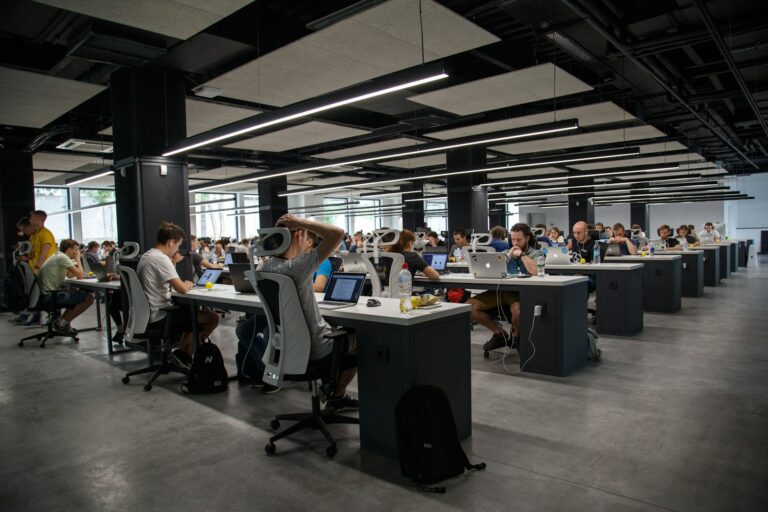
London workplaces change quickly, so commercial cleaning services should be flexible enough to match real occupancy, footfall and operational requirements.
Build the programme around the site
A site visit should identify entrances, washrooms, kitchens, meeting rooms, stairs, lifts, storage and high-touch points. The service can then combine daily tasks with periodic carpet, window and deep cleaning. This approach avoids paying for work that is not needed while making sure important areas are not missed.
What to ask a cleaning company
Ask about training, COSHH procedures, supervision, absence cover and quality inspections. You should also agree access arrangements, communication routes and the process for reporting an urgent spill or unexpected cleaning requirement. A clear specification protects both the business and the cleaning team.
Related guidance
Explore office cleaning services, commercial carpet cleaning and commercial window cleaning. The HSE COSHH guidance, GOV.UK workplace safety information and British Cleaning Council are useful external references.
Final thoughts
The best commercial cleaning services are reliable, measurable and tailored to the building. Benchmark Cleaning offers flexible cleaning programmes across London, with a free site visit and no-obligation quotation for businesses that want a practical plan.
Putting the plan into practice
A useful way to introduce a new cleaning programme is to agree priorities before the first visit. List the rooms that visitors see, the areas that receive the most footfall and the tasks that must happen at a particular time. This gives the supervisor a practical brief and makes it easier to assess the first few visits. It also prevents small misunderstandings about desks, equipment, waste points or shared facilities.
Businesses should consider how cleaning fits around staff arrival, deliveries, meetings and security. Some work is best completed before opening, while other tasks can be carried out during the day with suitable signs and communication. Flexible timing can reduce disruption without reducing the standard expected by employees, customers or pupils. The programme should be reviewed if the layout, occupancy or operating hours change.
Keep communication simple
One named contact, a clear reporting route and regular inspections make a noticeable difference. If a spill, access problem or unusual requirement arises, the cleaning team needs to know who can make a quick decision. A short review can cover completed work, outstanding actions, supply levels and any changes planned for the building. This simple feedback loop supports consistency and helps the provider respond before a minor issue becomes a repeated problem.
Balance routine work with periodic detail
Routine cleaning maintains the everyday standard, but periodic work protects the condition of the building. Carpet extraction, internal glass, high-level dusting, hard-floor treatment and detailed washroom cleaning should be planned rather than left until the property looks tired. A calendar makes these tasks easier to budget for and reduces the risk of concentrating too much work into an inconvenient period. It also gives managers a clearer record of what has been completed.
When comparing providers, look beyond the lowest hourly figure. Consider the scope, supervision, training, equipment, cover arrangements and quality checks included in the proposal. A reliable service should be transparent about what is included and should be willing to tailor the programme after seeing the site. That approach creates a better working relationship and a cleaner, more presentable environment over the long term.