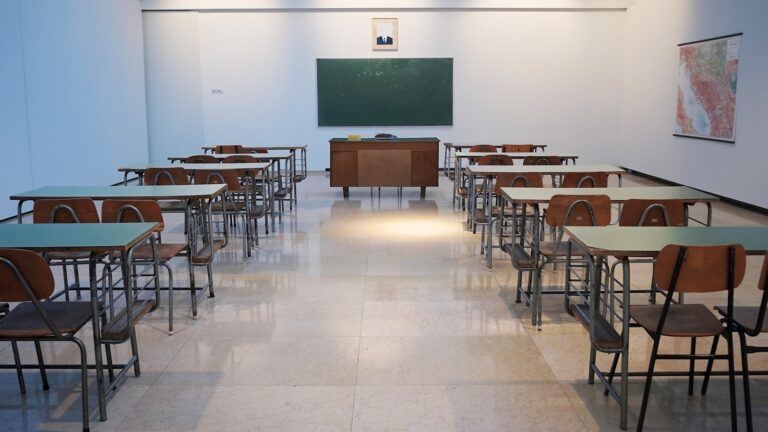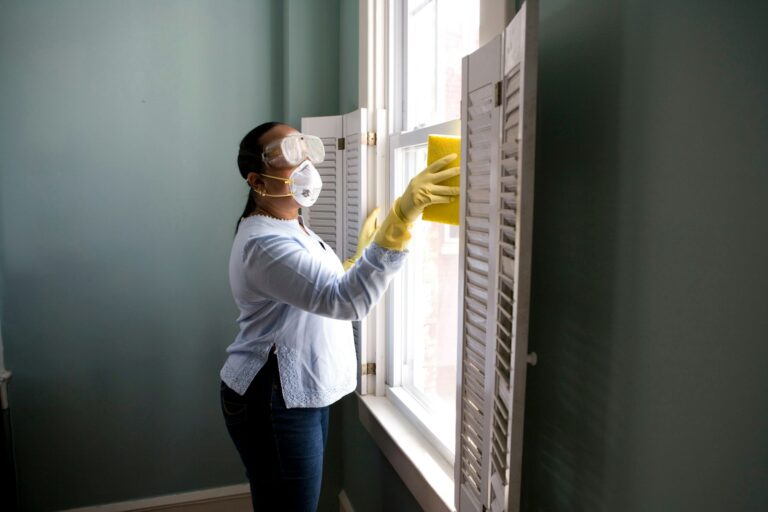
School holidays create a valuable window for cleaning work that is difficult to complete around pupils, staff and lessons. School holiday deep cleaning can include floors, carpets, classrooms, washrooms, kitchens, halls, high-level dust and touchpoints. The work should be planned with the academic calendar, maintenance programme and safeguarding arrangements so the school returns to a clean, safe and usable building rather than a site still waiting for contractors.
Why holidays are the best time for detailed work
Start with the holiday dates and the deadline for staff returning. Then map the school by use and risk. Include classrooms, corridors, stairs, halls, offices, libraries, washrooms, kitchens, changing rooms, stores and external entrances. Ask what furniture will be moved, what maintenance is planned and which rooms will remain occupied. A room cannot be deep cleaned effectively while painters, electricians or furniture installers are still working in it.
Build the plan around the school calendar
Priorities usually include floors, edges, high-touch points, washrooms and areas with food or sports use. Carpets may need extraction, hard floors may need machine cleaning and high-level surfaces may need safe access equipment. Use a sequence that prevents re-soiling: complete dusty work first, then high-level cleaning, surfaces, floors and a final check. Keep products and equipment appropriate for the surfaces and follow the school’s own policies.
Practical school holiday deep cleaning checklist
- Confirm dates, access and the return-to-school deadline.
- Coordinate cleaning with maintenance and contractors.
- Prioritise classrooms, washrooms, kitchens and shared routes.
- Schedule carpet, floor and high-level work safely.
- Use DBS and safeguarding arrangements required by the school.
- Complete a room-by-room handback inspection.
Prioritise classrooms, washrooms and shared spaces
The handback should be documented. Record rooms completed, outstanding maintenance, items moved and any areas that could not be accessed. Check floors are dry, furniture is stable, chemicals are removed or secured and escape routes are clear. If window cleaning is included, coordinate it with internal work and school school cleaning requirements.
Hand the building back safely
Safety and safeguarding are central to school work. The HSE workplace guidance supports safe planning, while Keeping Children Safe in Education provides safeguarding context for education settings. The British Cleaning Council provides industry information for cleaning professionals.
How Benchmark Cleaning can help with school holiday deep cleaning
Benchmark Cleaning Services provides school cleaning in London with DBS-checked teams and schedules designed around term times. Discuss the holiday window, rooms, specialist floors and any planned building work during the site survey. A written programme makes it easier for the school and cleaning team to know what will be ready for the next term.
Related guidance for school holiday deep cleaning
the benefits of professional school cleaning | how to plan term-time cleaning | high-level window cleaning
Questions about school holiday deep cleaning
How early should a school plan a holiday deep clean?
Start several weeks ahead so access, contractors, staff checks, equipment and specialist tasks can be coordinated.
Can carpets be cleaned just before term starts?
They can, but allow drying and ventilation time and confirm rooms will not be re-soiled by later work.
Who signs off the completed clean?
A nominated school representative and the cleaning supervisor should walk the agreed rooms and record exceptions.
Final thoughts on school holiday deep cleaning
School holiday deep cleaning works when it is treated as a coordinated project. Use the calendar, map the building, sequence the work around contractors and document the handback. That gives pupils and staff a cleaner, safer start to the next term.
Putting school holiday deep cleaning into practice
Start with a site visit rather than a generic promise. Walk through the areas that people use, identify the surfaces and risks, and agree the times when work can happen without disrupting the business. A written scope should state what is included, what is periodic and what needs a separate specialist. It should also name the person who can approve access, report an issue and confirm that a corrective action is complete. This preparation gives the cleaning team a fair brief and gives the client a useful basis for checking the service. The HSE workplace guidance is a helpful reference when access, public movement or safe systems of work are involved.
What to agree before the first visit
Confirm opening hours, keys, alarms, lifts, water, power, storage, waste routes and the location of any sensitive equipment. Explain how staff, visitors, pupils, patients or customers move through the site, because the busiest route often needs a different frequency from a quiet room. Agree how spills, damage, low supplies and urgent requests are reported. A short induction is worthwhile: it helps cleaners understand the building and prevents the client from assuming that a task outside the scope will be handled automatically. If the plan changes, record the change and review its effect on time, equipment and staffing.
How to review the result
Review the first visits while the details are still fresh. Look at the agreed areas, the finished surfaces, the condition of equipment and the way the team communicates. If a task is missed, ask why before simply adding more hours. The cause may be restricted access, a change in occupancy, unsuitable equipment, an unclear instruction or a need for periodic work. Use a short inspection record with a location, date, standard, action owner and due date. Regular evidence-led reviews are more useful than waiting for a general complaint at the end of a contract.
A final check for site managers
Before signing off the plan, ask whether a new member of staff could understand it without a long verbal explanation. The tasks should be visible, the products and equipment should be safe, and the route for reporting a defect should be clear. Check that the schedule protects privacy, keeps routes open and leaves enough time for the expected result. When the building changes, update the scope rather than allowing small exceptions to become permanent gaps. Consistent service comes from clear expectations, competent people and inspections that lead to practical action.